Cheapest bucket to run, slowest to start — then it compounds for decades at almost no cost.
A 51-tree U-pick orchard in 4–5 tidy rows, plus ~30 silvopasture nut and shade trees out in the paddocks and berry rows — about 80 trees all in. Chill-hour-matched varieties (~450–800 hr) are what matters in North Texas. You plant it cheaply in years 1–2, protect every tree in a cage, and it pays back slowly — berries in 1–3 years, fruit in 3–7, nuts in 6–15 — then keeps giving for thirty years at near-zero cash cost.
| Species | Varieties | Ct | Unit | Cost | First crop |
|---|---|---|---|---|---|
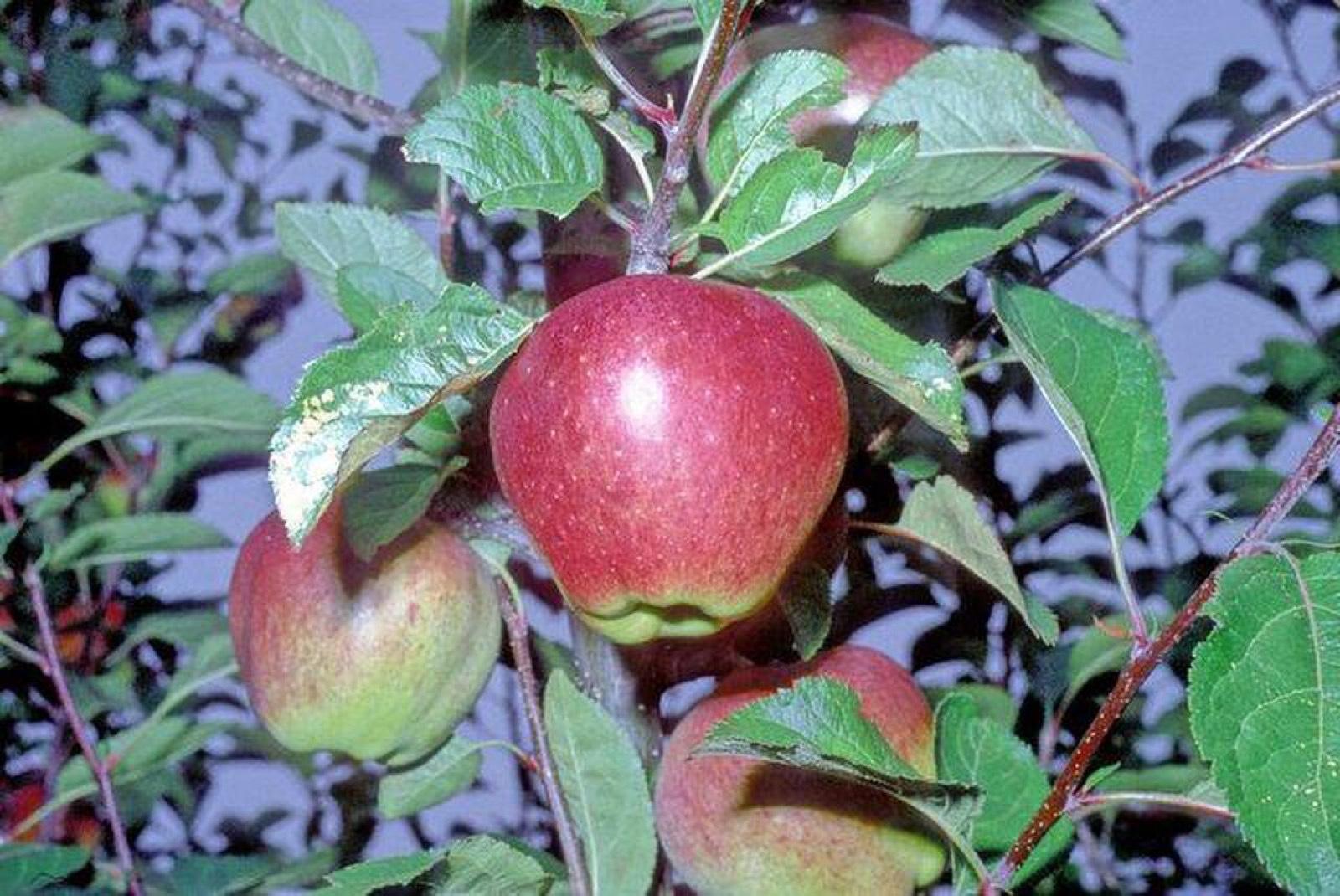
| Apple | Anna, Dorsett Golden | 12 | $38 | $456 | 3–5 yr |
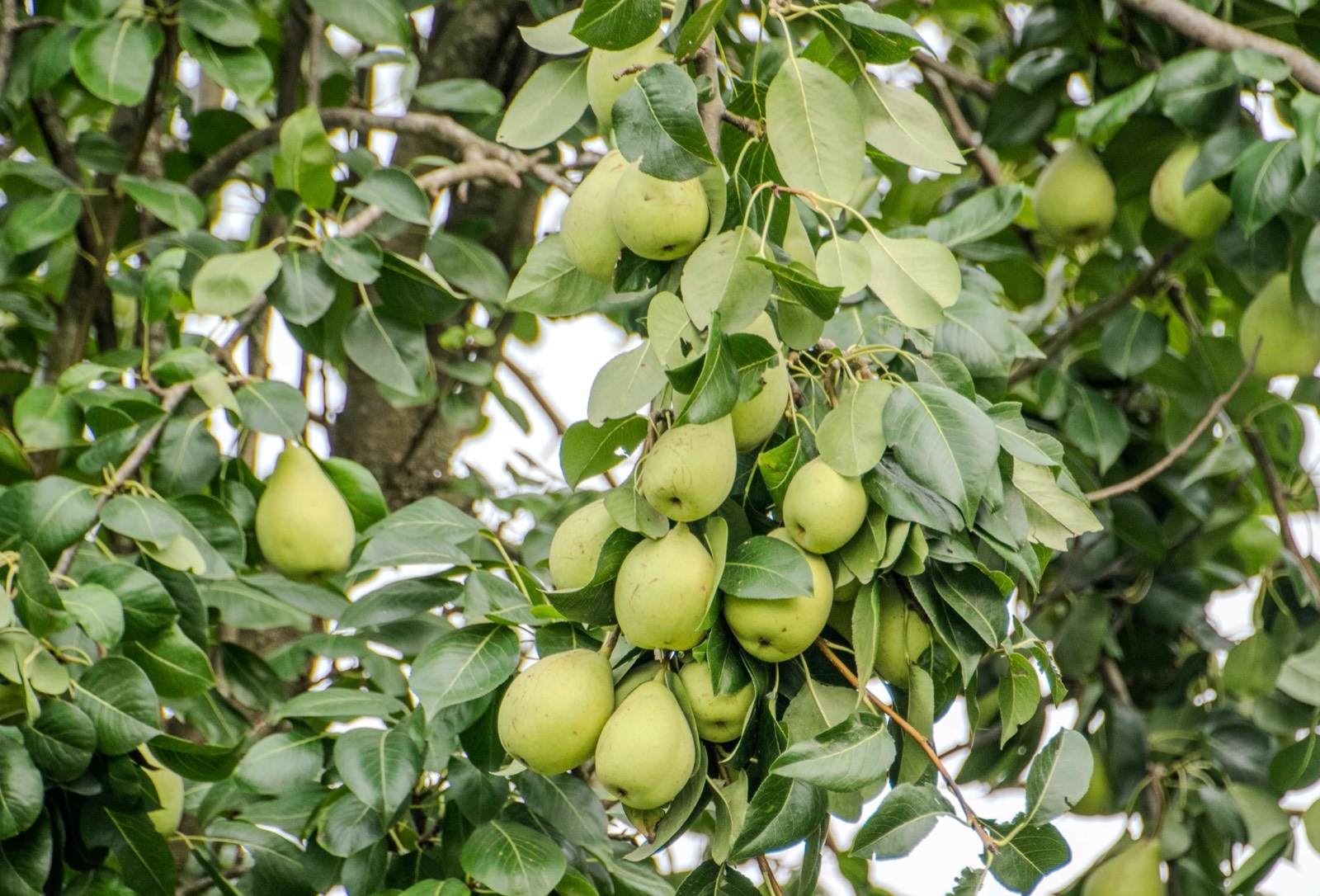
| Pear | Kieffer, Orient | 10 | $35 | $350 | 4–6 yr |
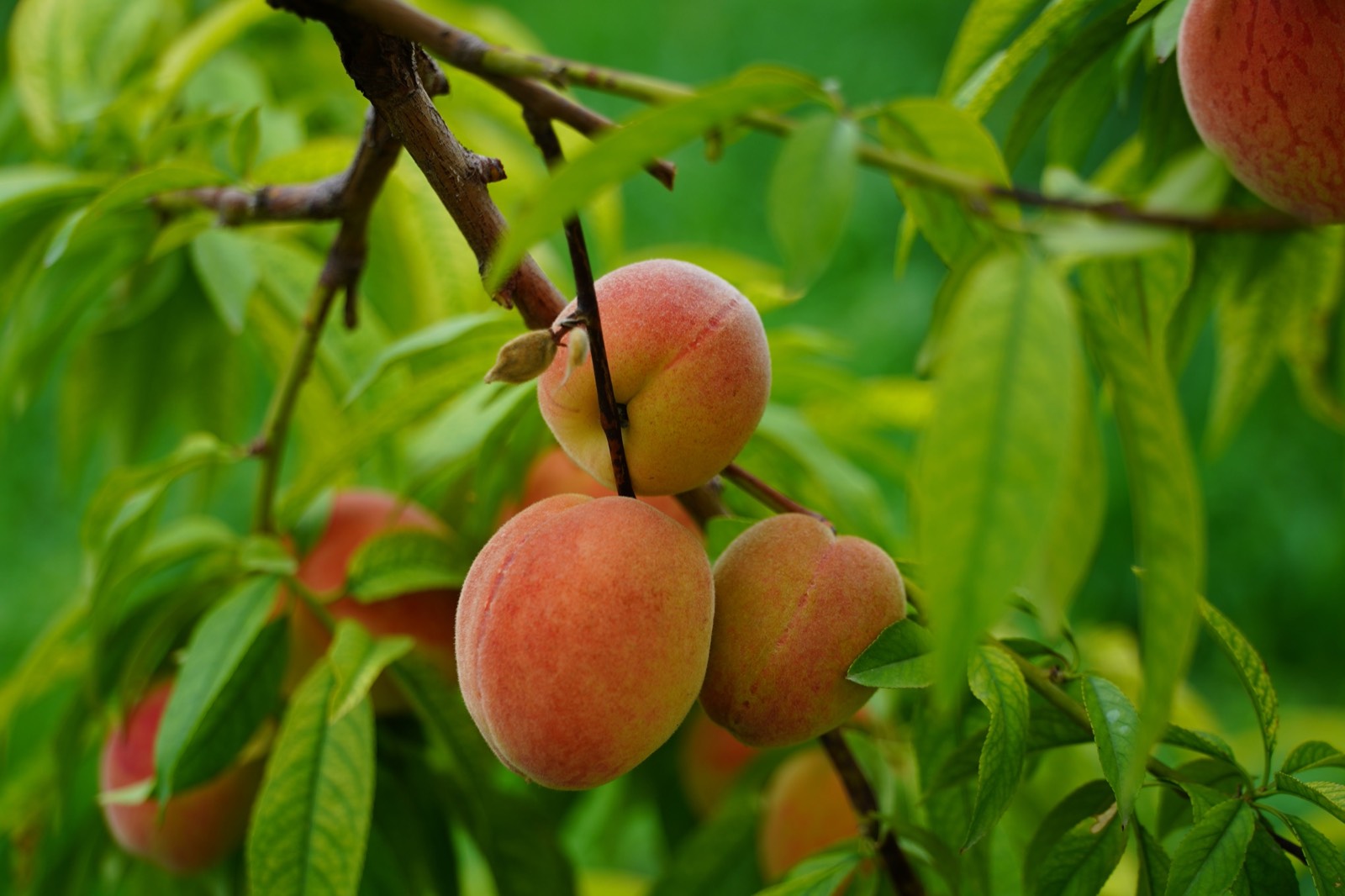
| Peach | Ranger, La Feliciana, Redskin | 13 | $30 | $390 | 2–4 yr |
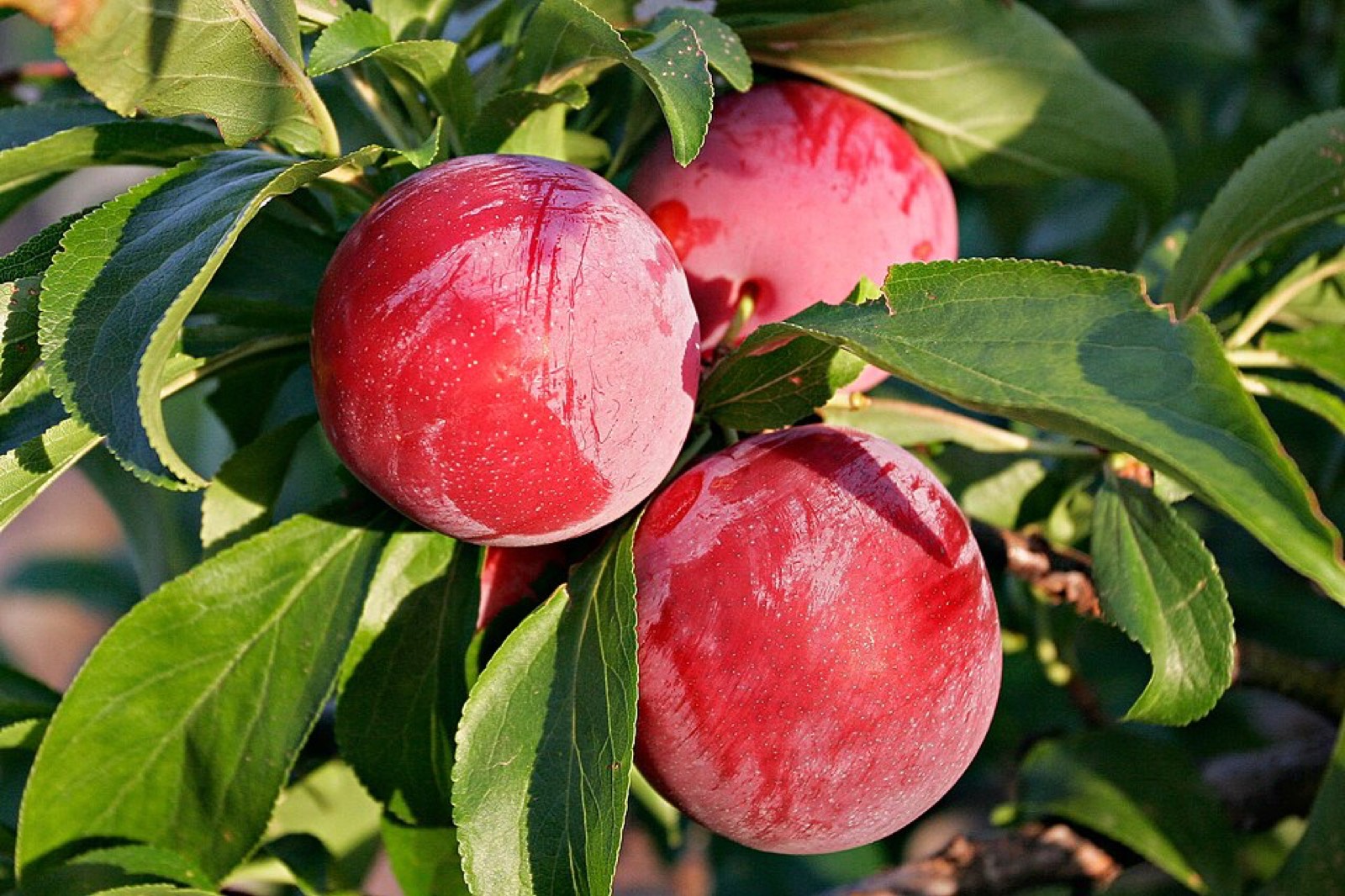
| Plum | Methley, Bruce, Santa Rosa | 10 | $30 | $300 | 3–5 yr |
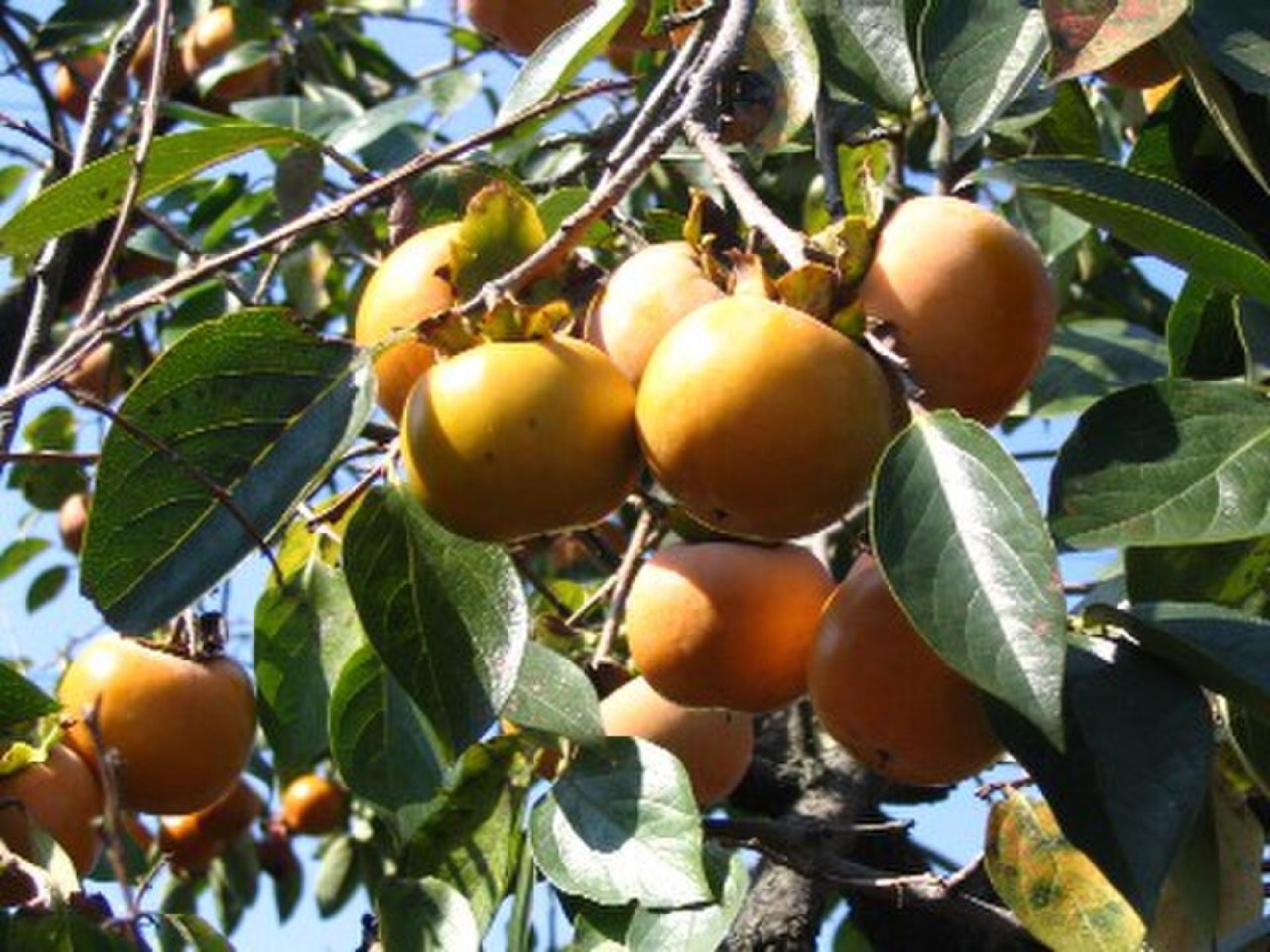
| Persimmon (Asian) | Fuyu | 6 | $42 | $252 | 3–5 yr |
| Orchard trees | 51 | $1,748 |
Wide rows over pasture (40 ft apart, 30 ft in-row for equipment). These live on Bucket D's land but are counted here as the perennial planting — shade + mast for cattle and poultry. Every one caged hard, since cattle rub and browse.
| Species | Role | Ct | Unit | Cost | First crop |
|---|---|---|---|---|---|
| Pecan (grafted) | Native nut, high shade | 8 | $55 | $440 | 6–10 yr |
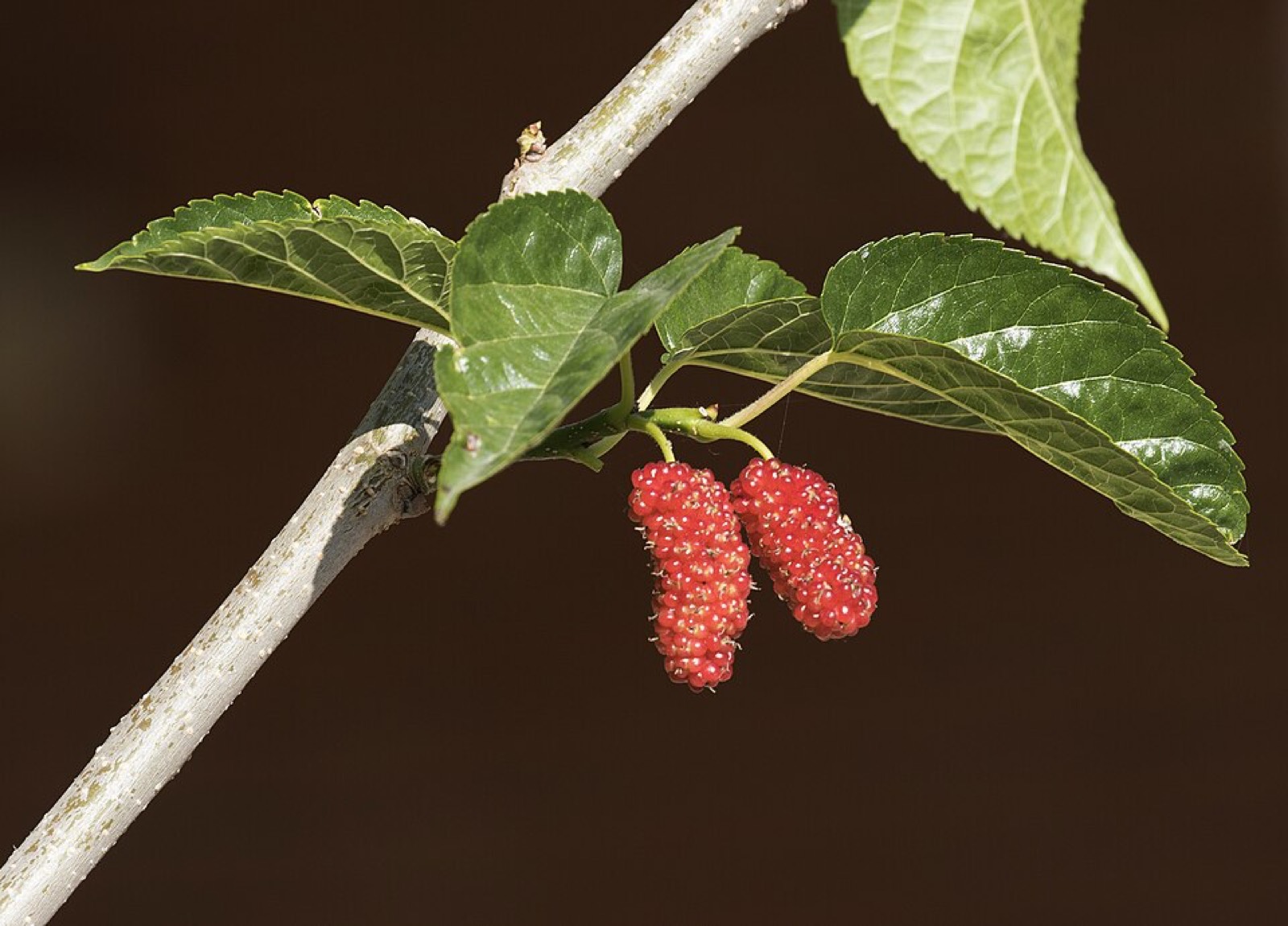
| Mulberry | Fast shade + dropped-fruit forage | 10 | $30 | $300 | 2–4 yr |
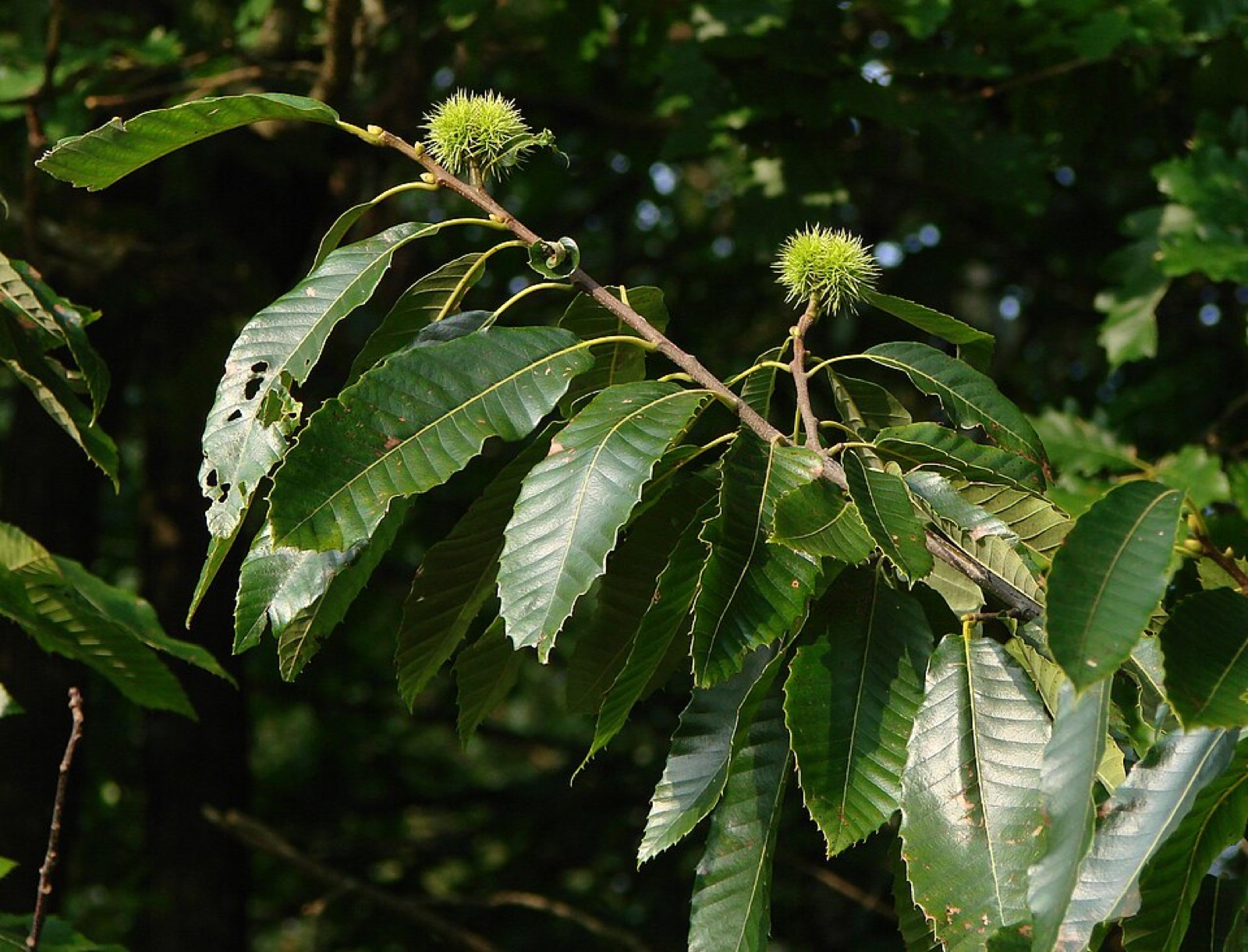
| Chestnut (Dunstan) | Mast; well-drained spots only | 6 | $45 | $270 | 4–7 yr |
| Persimmon (native) | Wildlife + livestock | 6 | $25 | $150 | 4–6 yr |
| Silvopasture trees | 30 | $1,160 |
_1_(24790682337).jpg)
| Item | Qty | Unit | Cost | First crop |
|---|---|---|---|---|
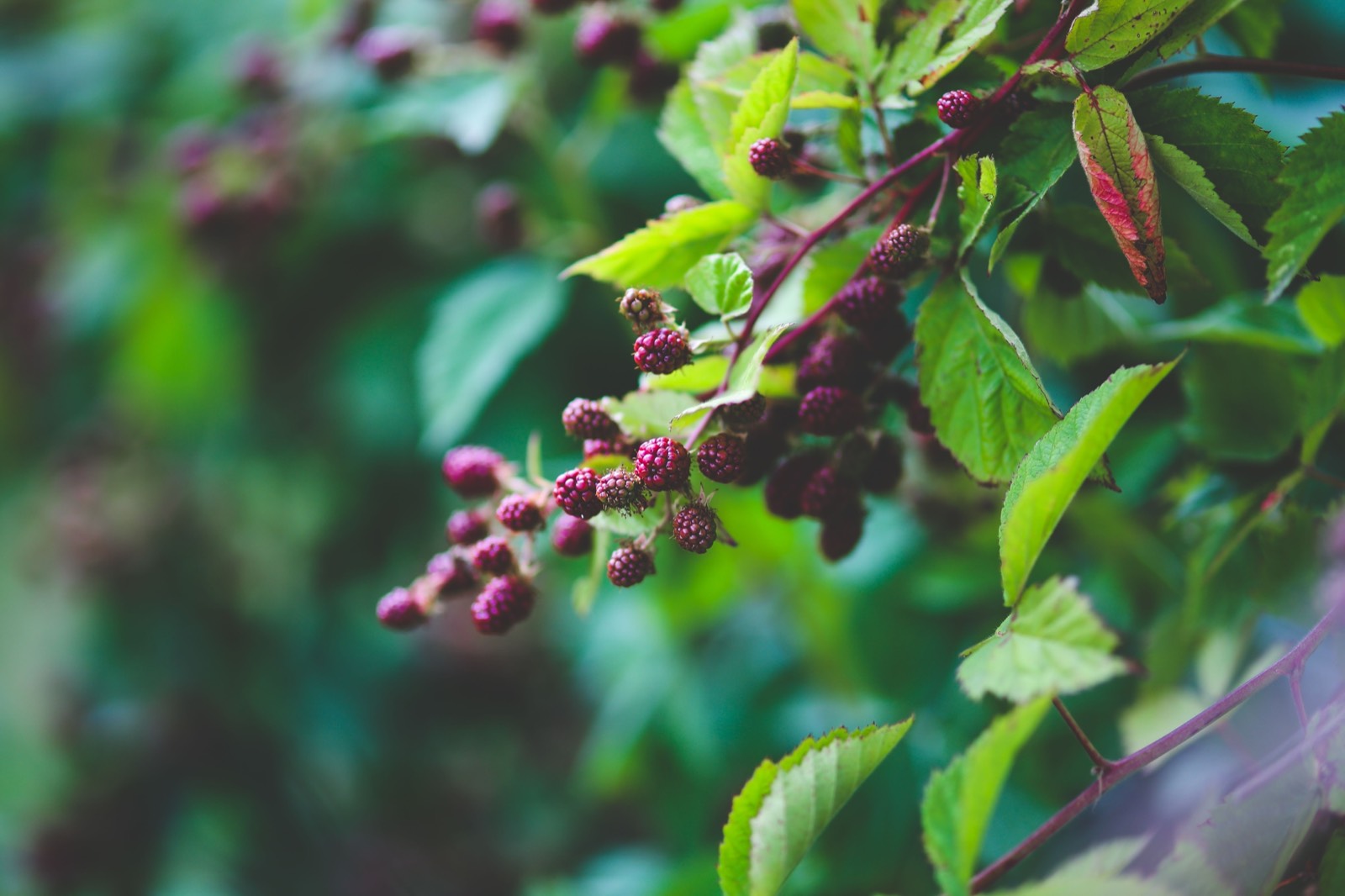
| Blackberry / raspberry crowns | 60 | $5 | $300 | 1–2 yr |
| Grape vines (table + muscadine) | 20 | $12 | $240 | 2–3 yr |
| Blueberry (rabbiteye) | 20 | $16 | $320 | 2–3 yr |
| Berry trellis — posts + wire | — | — | $1,000 | — |
| Blueberry acid beds (peat, sulfur, raised) | — | — | $400 | — |
| Tree cages — welded wire | 81 | $12 | $972 | — |
| Stakes, ties, mulch (initial) | — | — | $600 | — |
| Berries & protection | $3,832 |
.jpg)
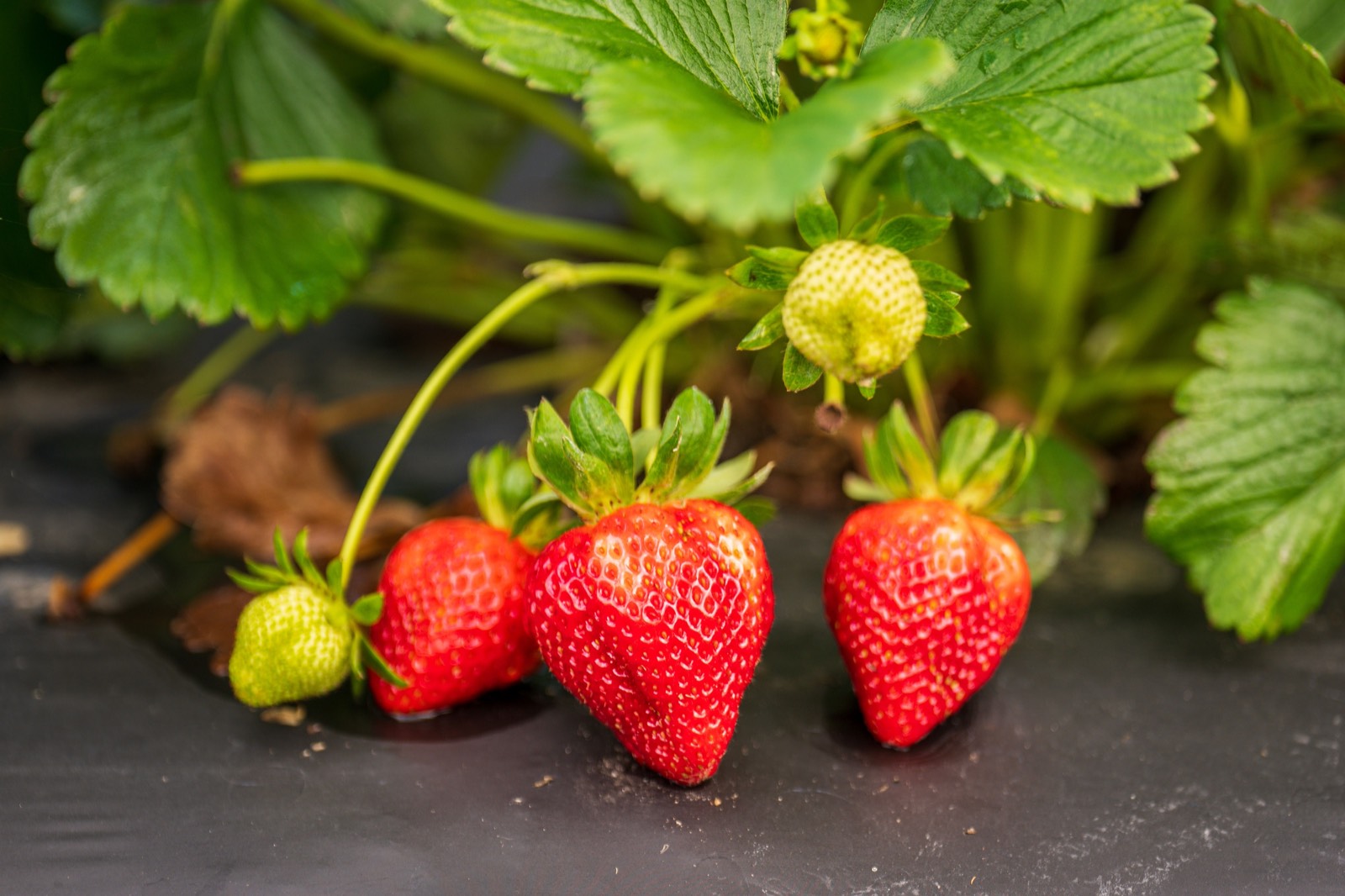
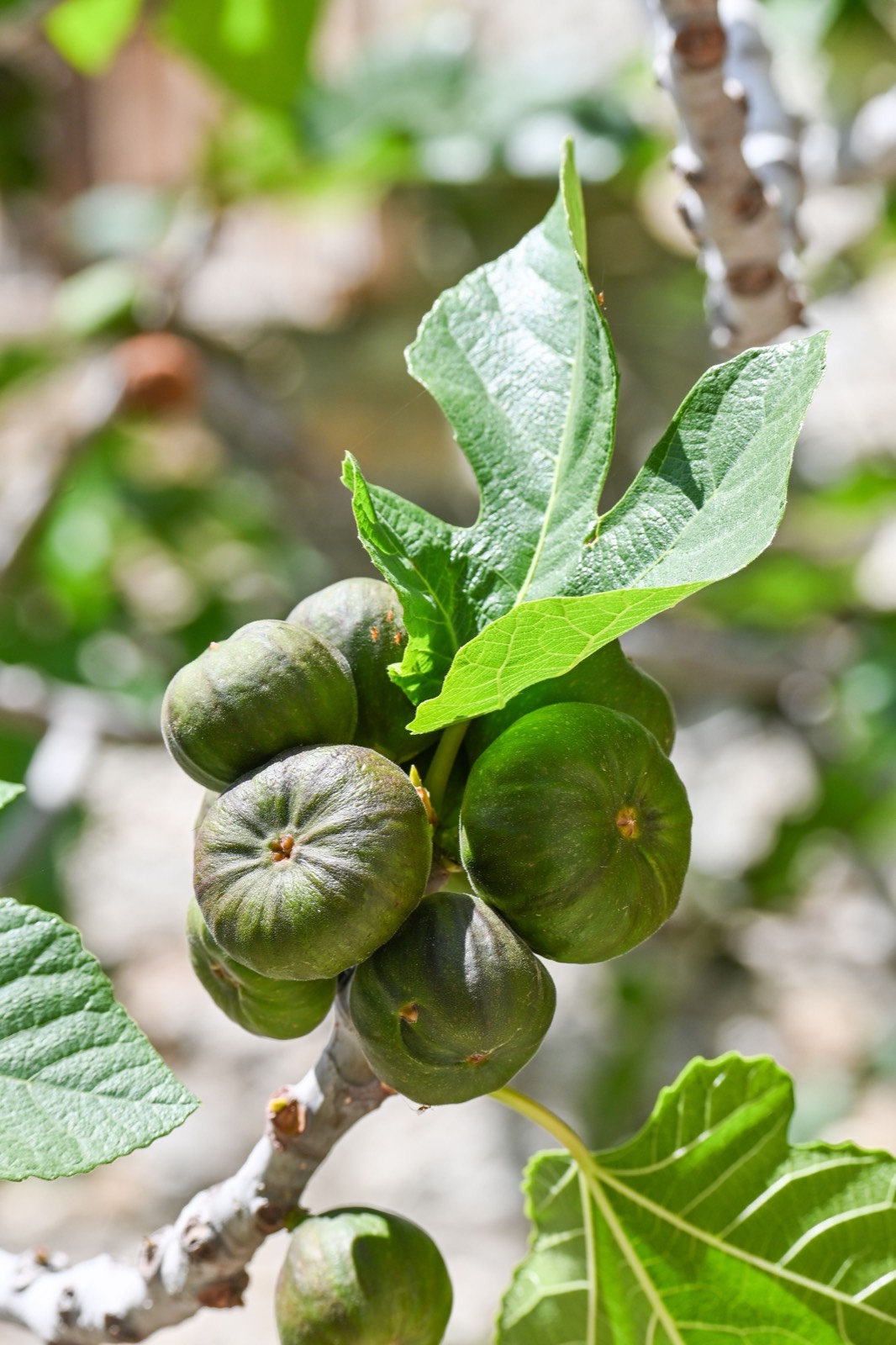
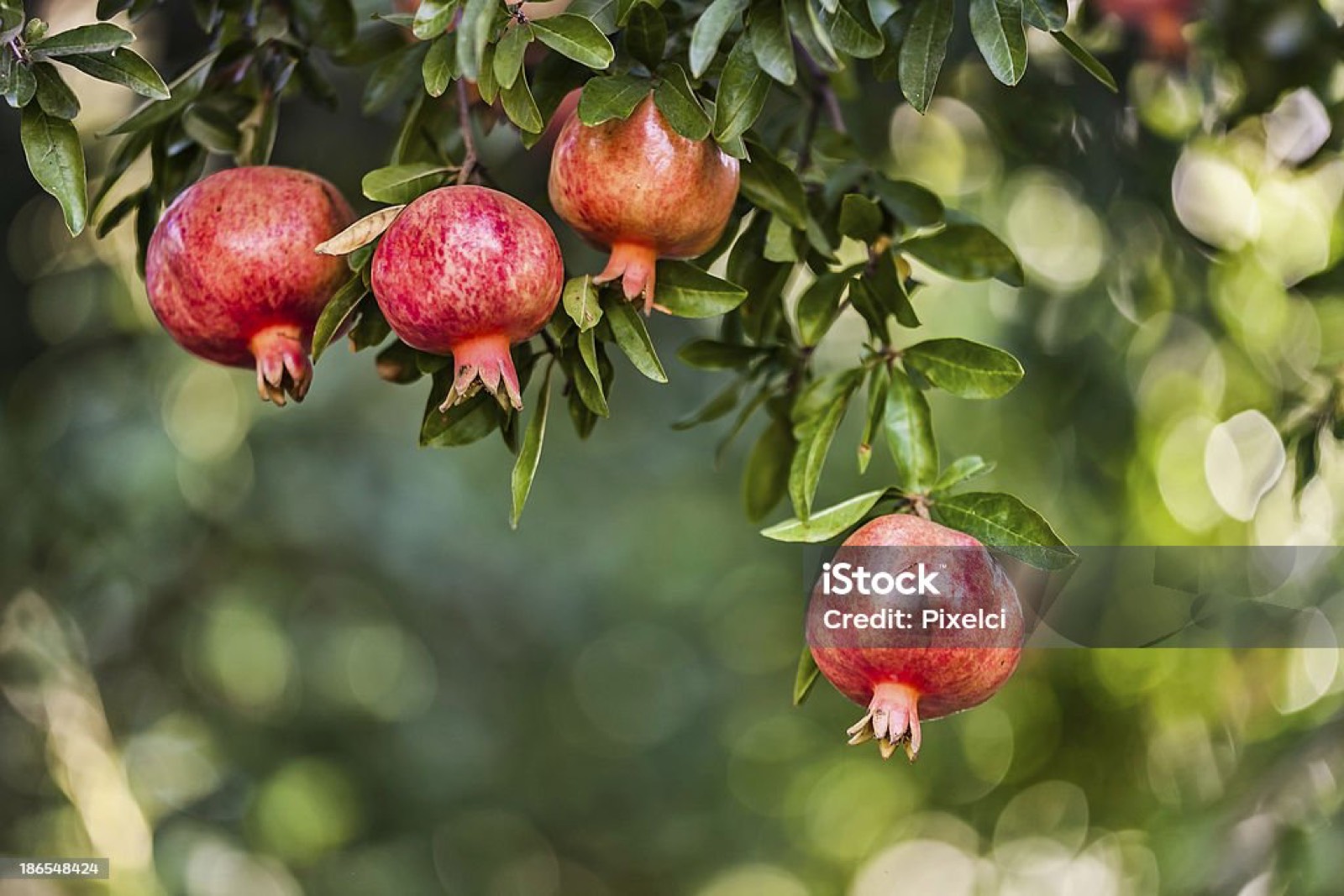
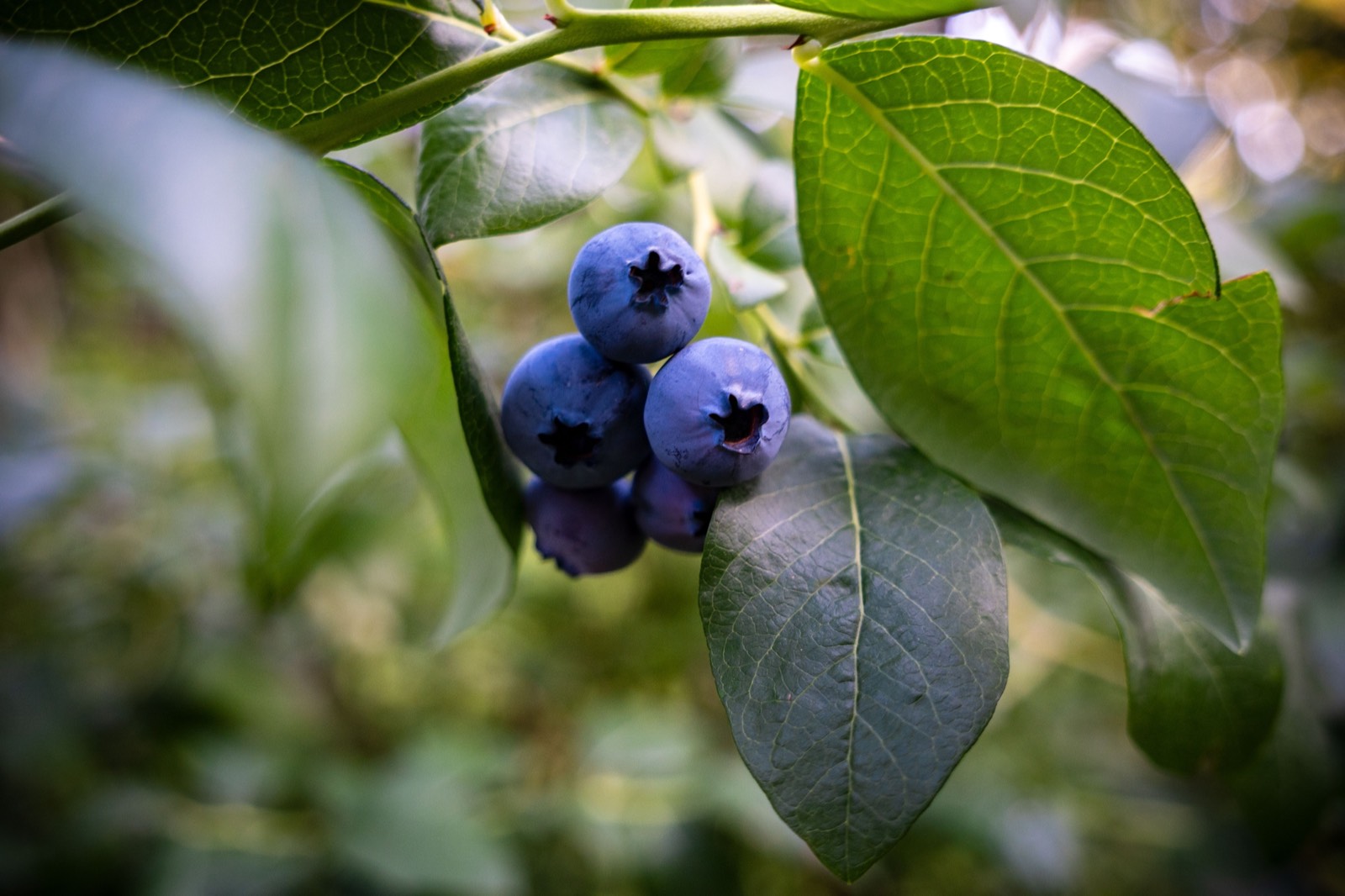
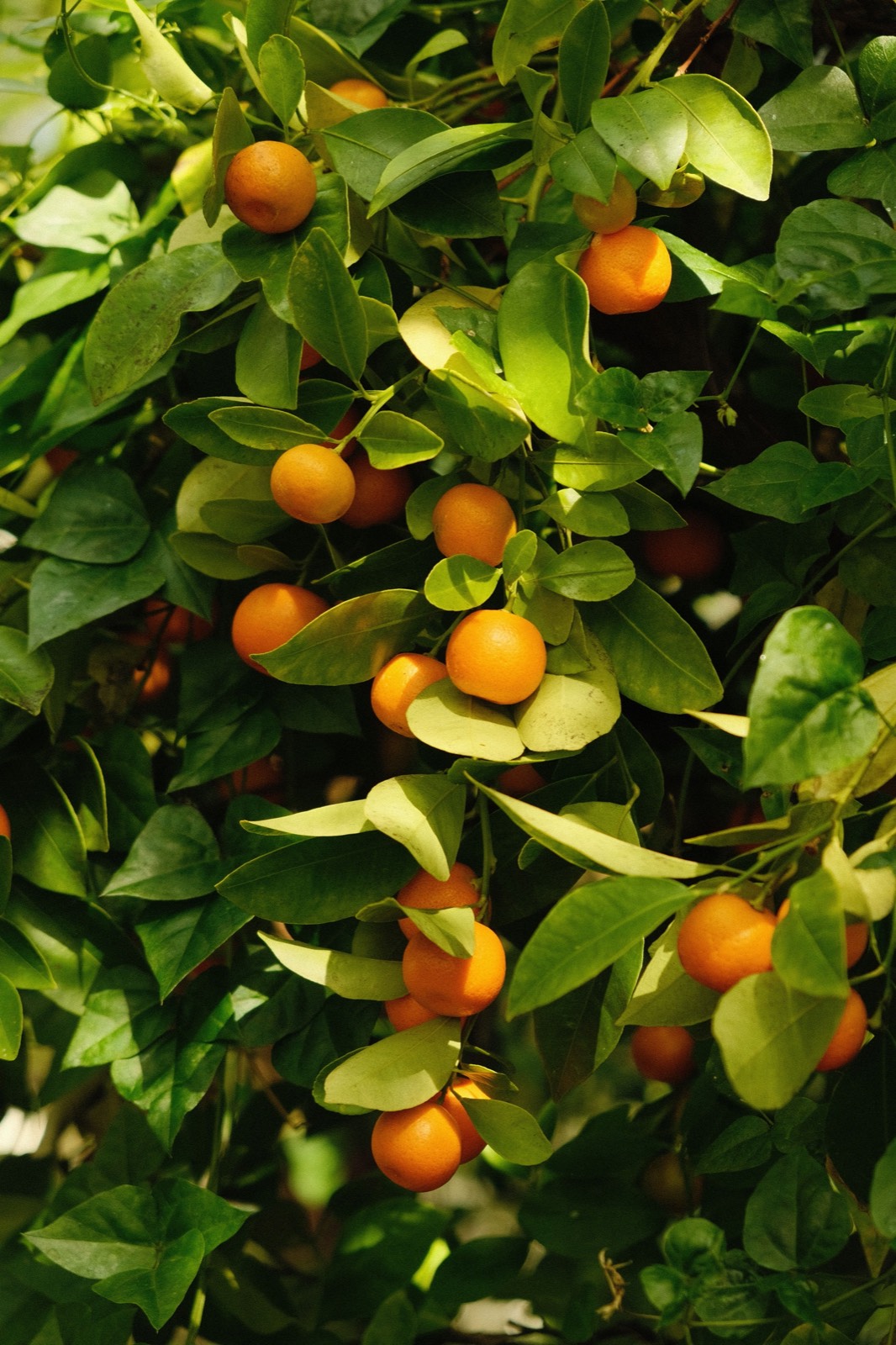
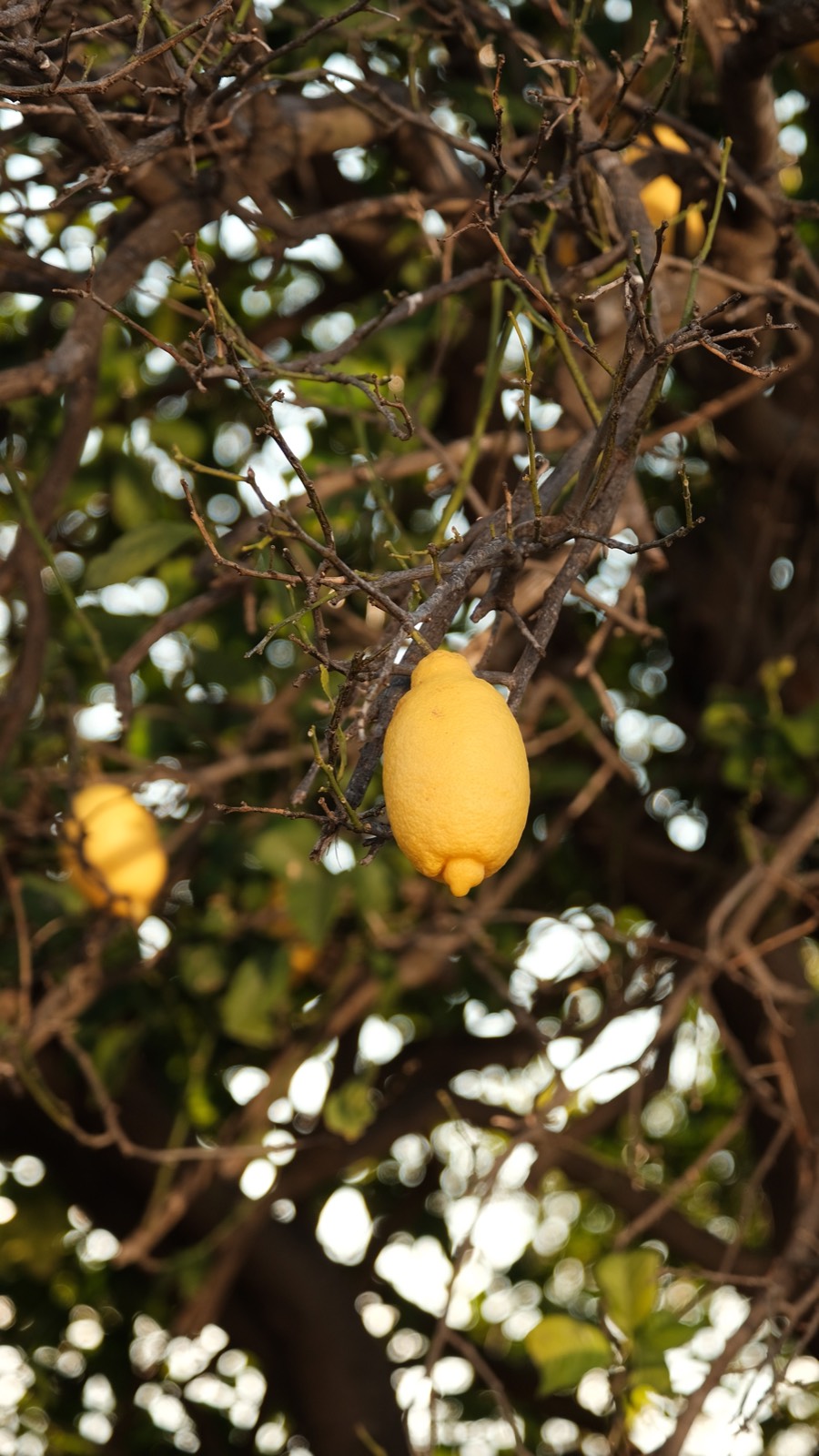
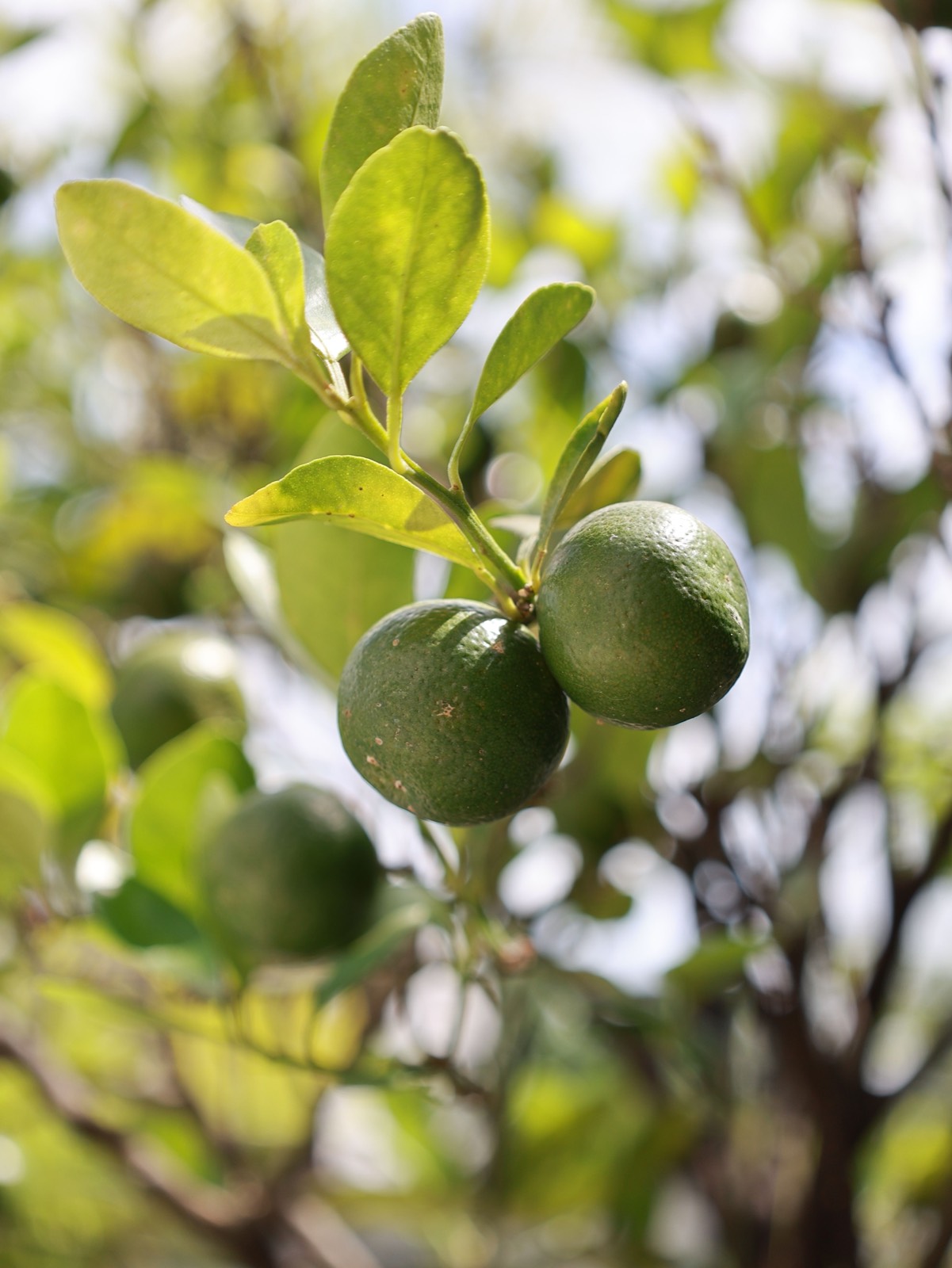
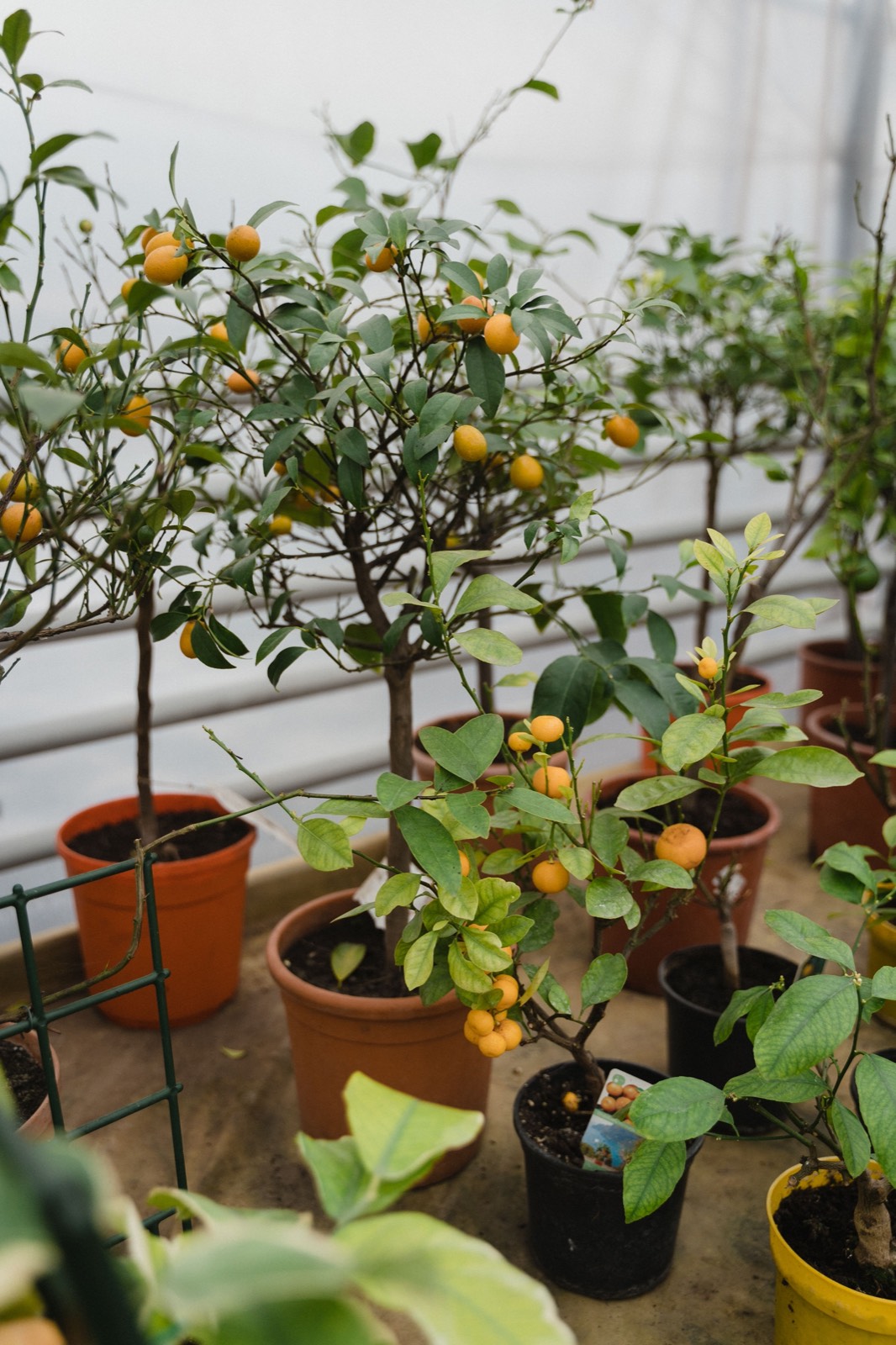
Lemons, limes, and oranges — but North Texas is Zone 8a, too cold to field-plant tender citrus (hard freezes in the mid-teens kill them). They're grown in large pots wheeled into the greenhouse for freezes, with the cold-hardiest types in a protected south-facing spot. Adds ~$700.
| Citrus | Type | Hardiness / approach | Ct | Cost | First crop |
|---|---|---|---|---|---|
| Satsuma mandarin (Owari) | orange | Hardiest — to ~15°F established; the best in-ground bet with frost cloth | 3 | $120 | 2–3 yr |
| Kumquat (Nagami) | orange-ish | Very hardy (~18°F); great in a pot, ornamental + edible | 2 | $80 | 2–3 yr |
| Meyer lemon | lemon | Container; protect below ~28°F — the easiest lemon here | 2 | $80 | 2 yr |
| Bearss / Persian lime | lime | Tender — container only, overwinter in greenhouse | 2 | $80 | 2–3 yr |
| Half-barrel pots, casters, citrus mix, frost cloth | kit | So two people can wheel them in before a freeze | — | $340 | — |
| Citrus add-on | 9 | ~$700 |
| Component | Cost |
|---|---|
| Orchard trees (51) | $1,748 |
| Silvopasture trees (30) | $1,160 |
| Berries & tree protection | $3,832 |
| Bucket C total (~81 trees + berries) | ~$6,750 |
~$0–200/yr: dormant-oil / occasional spray, replacement mulch, your own pruning labor. After establishment the trees are rain-fed and self-sufficient. This is the cheapest bucket to run, by far.
The compounding asset — plant once, harvest for decades. Dropped fruit feeds the poultry and cattle; the cattle's shade and manure come from the same silvopasture rows. Pollination is subsidized by the pollinator strips and hives.