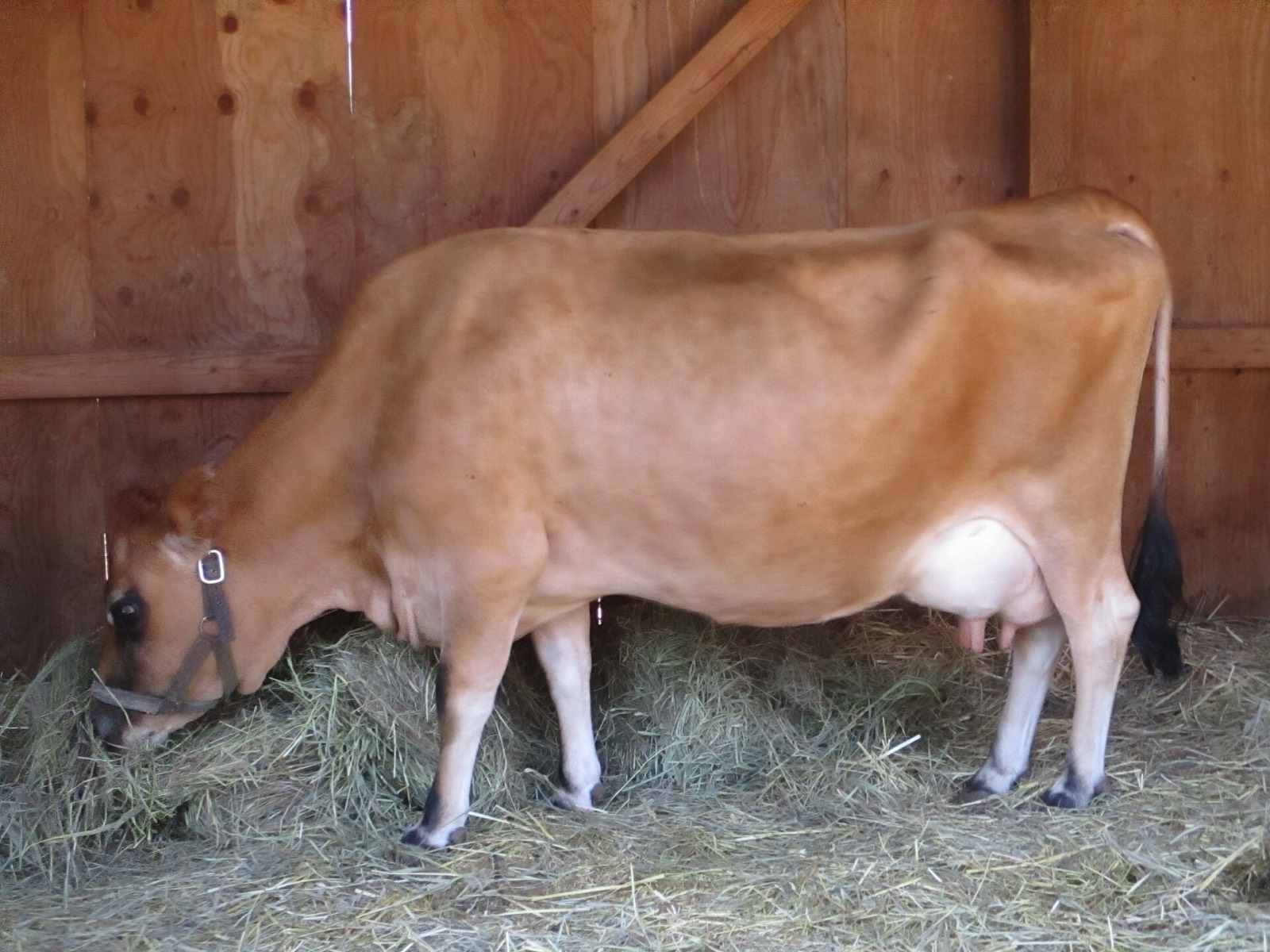
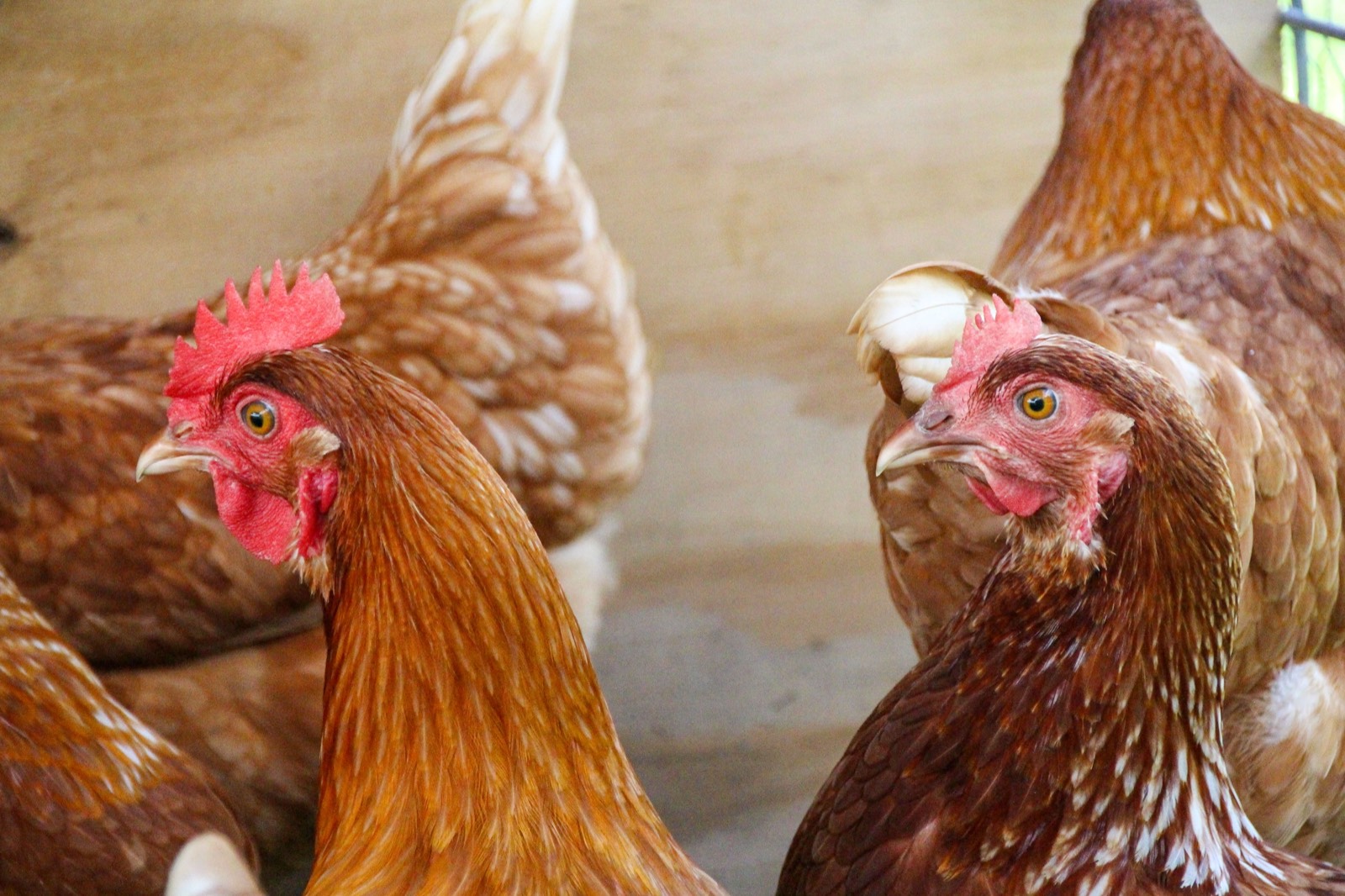
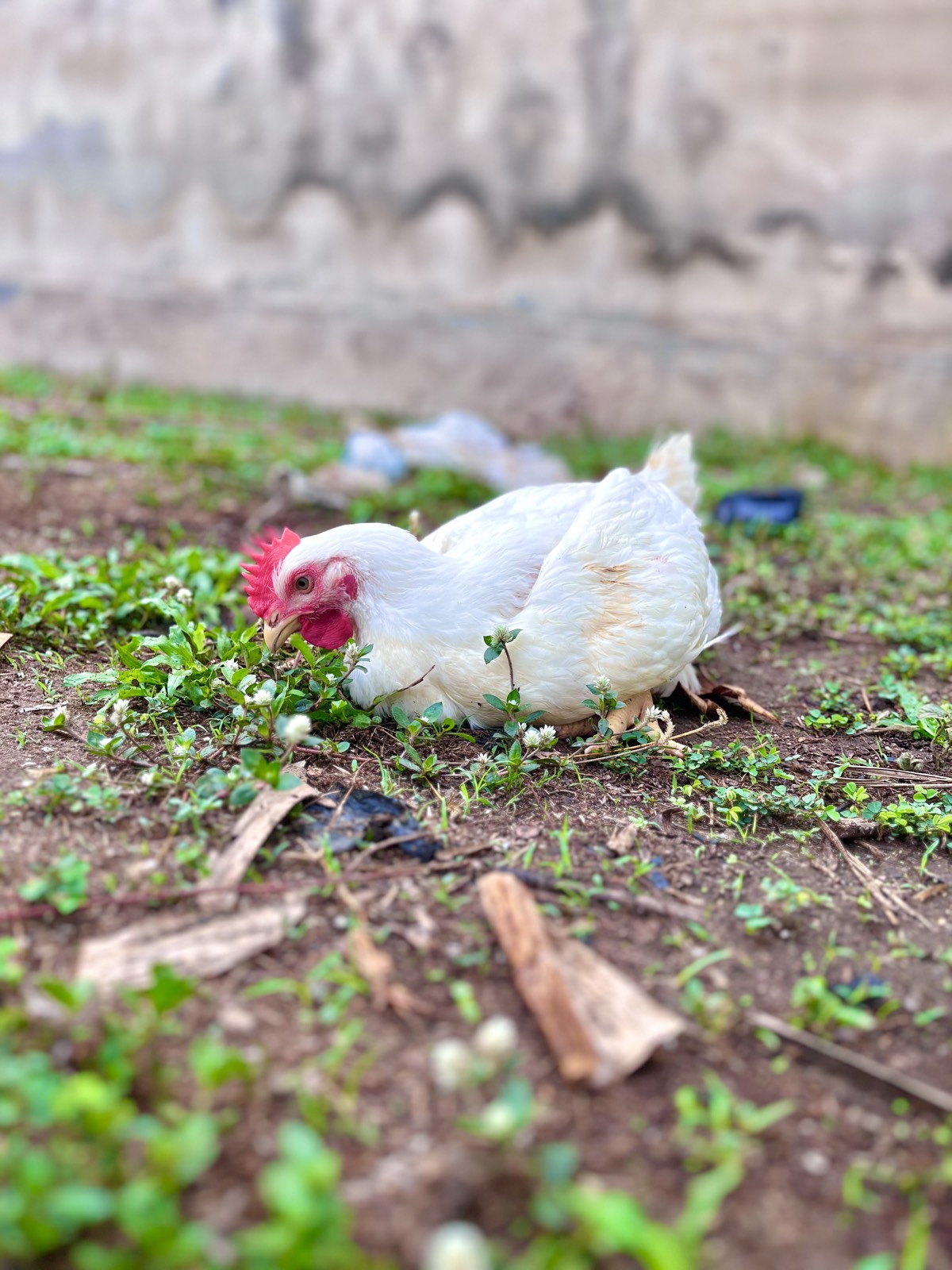
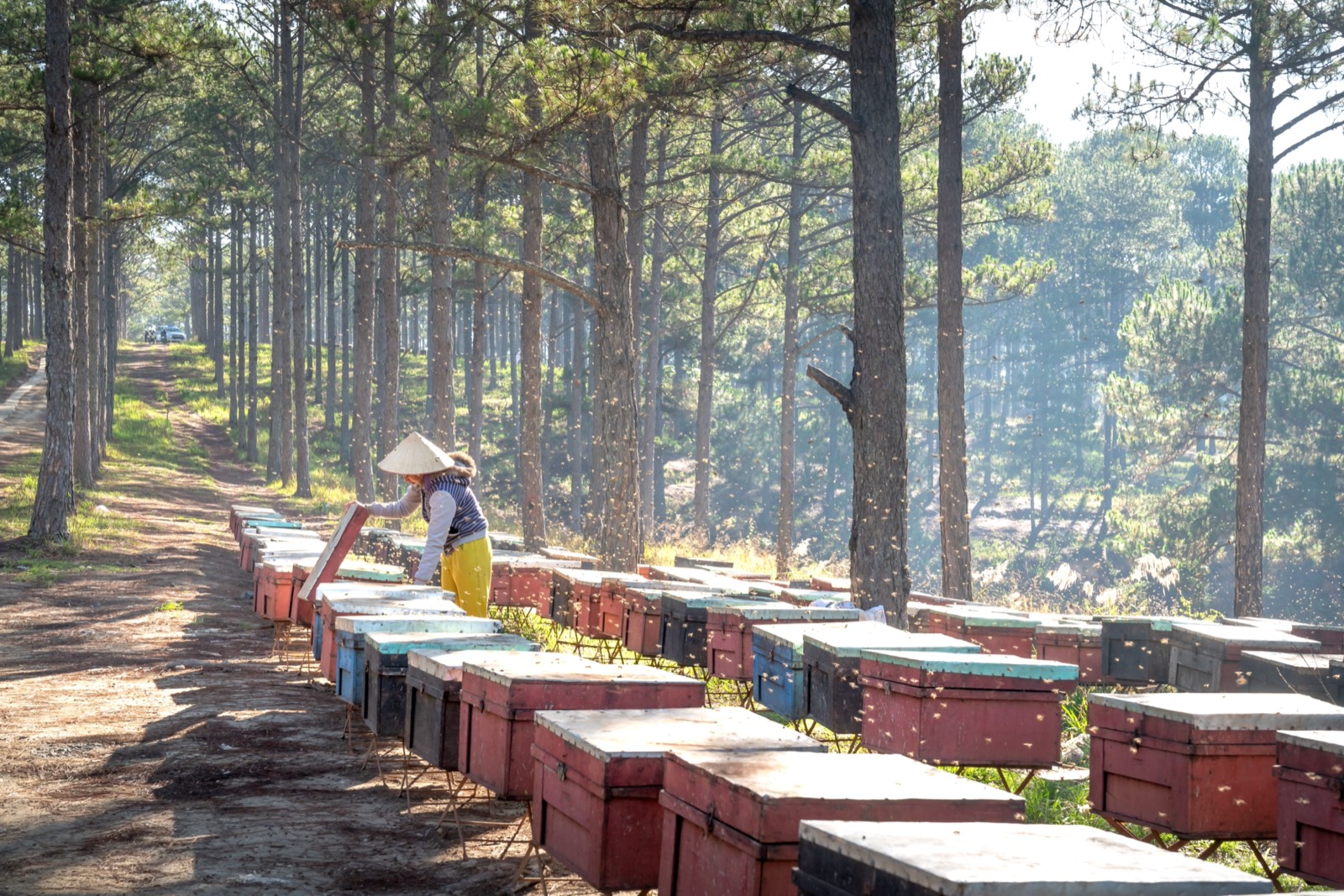
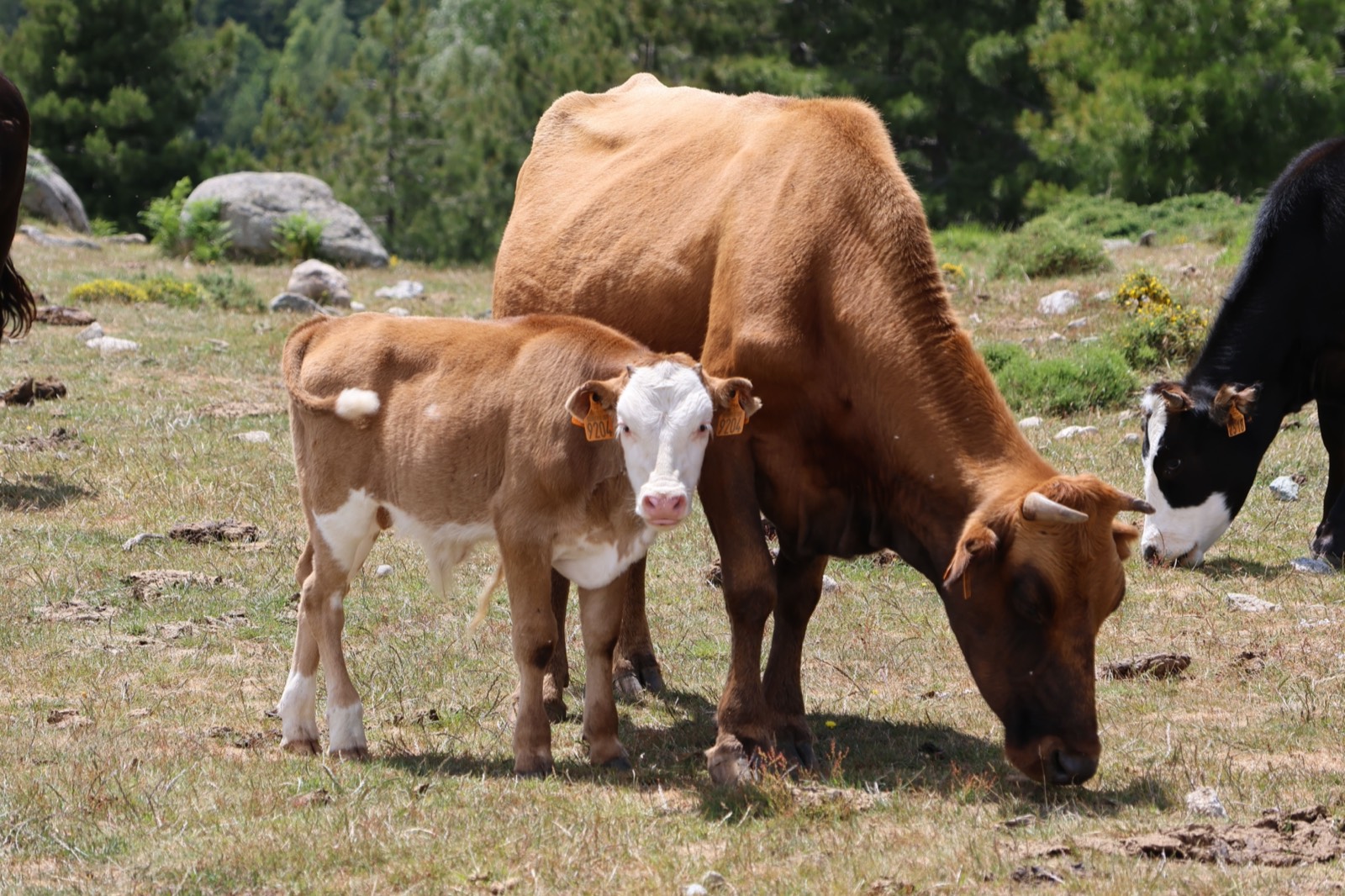
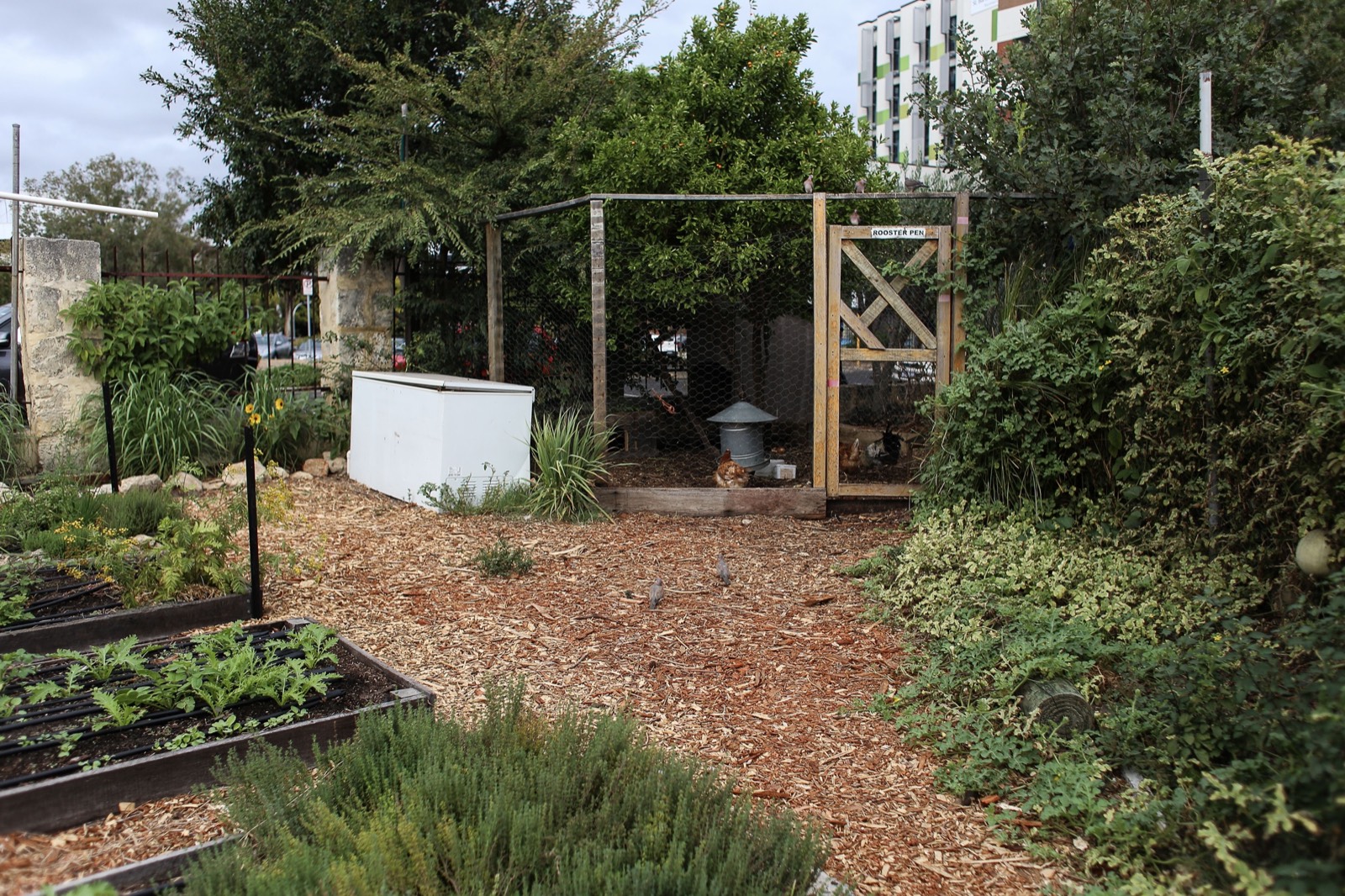
The protein and fat half of the plate. Cows + chickens only; its manure feeds the garden and orchard.
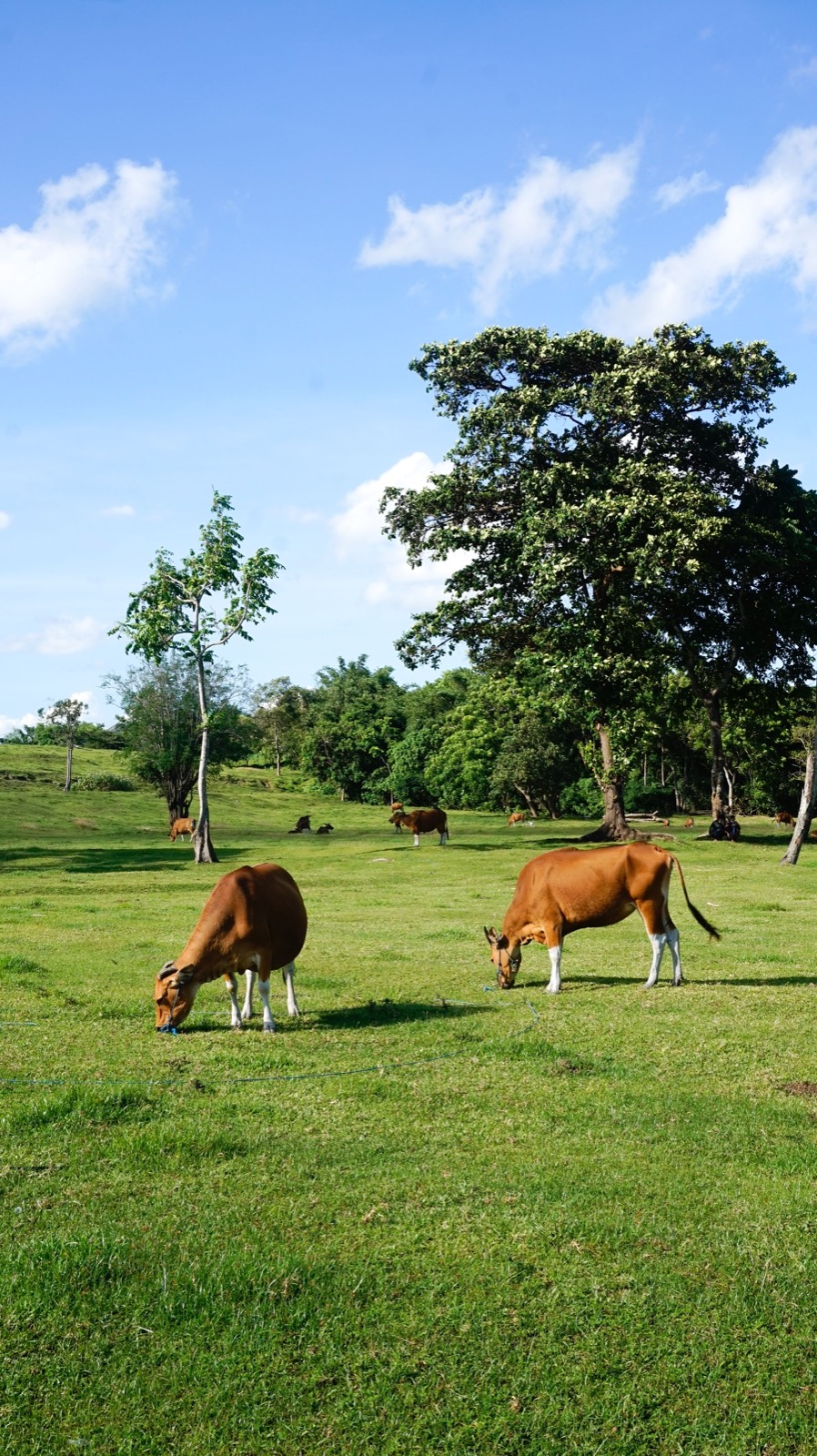
One family milk cow + a beef calf a year, a small laying flock, meat birds in batches, a couple of hives, and a stocked pond. Honest carrying capacity for ~6.5 productive acres in this climate — kept deliberately small so two people can run it.
The cattle pieces the base plan was missing: a place to get out of the weather, a safe way to work and load them, and dry/secure feed. Move handling earlier — you need it the day the cattle arrive, not in Year 3–5.
| Item | Cost | Notes |
|---|---|---|
| Run-in / loafing shed — 3-sided, ~20×24 | $4,500 | Shade in summer, wind/rain cover in winter; doubles as the calving spot |
| Working corral + headgate/squeeze + loading chute | $6,000 | For AI/vet work, doctoring, and loading the beef calf to the processor |
| Quarantine / sick pen | $800 | Isolate new or sick stock so it can't infect the herd/flock |
| Rodent-proof feed storage — metal bins / small room | $600 | Poultry grain + cattle minerals, kept dry and out of the rodents |
| Shelter & handling subtotal | ~$11,900 | Part of the ~$53k outbuildings & shelter additions (see Cost), not the Bucket D total; hay storage is on Home |
| Item | Cost | Notes |
|---|---|---|
| Interior fixed cross-fences (5–6 cattle paddocks) | $12,000 | High-tensile / field fence, braced corners, gates |
| Portable polywire — sub-divide cells | $1,000 | Energizer, reels, step-in posts for smaller cells |
| Mobile chicken coop + poultry tractor + brooder | $4,500 | Plus feeders/waterers; follows the cattle |
| Cattle water — tanks, troughs, hardened pads | $3,000 | Float valves, tie-ins to frost-free hydrants |
| Chest freezer, 15–20 cu ft | $1,200 | Solar-fed; holds one beef (~250–500 lb packaged) |
| Infrastructure subtotal | $21,700 |
| Animal | Qty | Unit | Cost | First yield |
|---|---|---|---|---|
| Milk cow — Dexter, bred | 1 | $2,000 | $2,000 | milk at calving |
| Weaned calf / grower (starter) | 1 | $600 | $600 | beef ~18–24 mo |
| Laying hens (point-of-lay pullets) | 15 | $20 | $300 | eggs in weeks |
| Meat chicks — 2 batches × 50 | 100 | $3.50 | $350 | ~8 weeks |
| Bees — nucs + hive boxes | 2 | $350 | $700 | honey yr 2 |
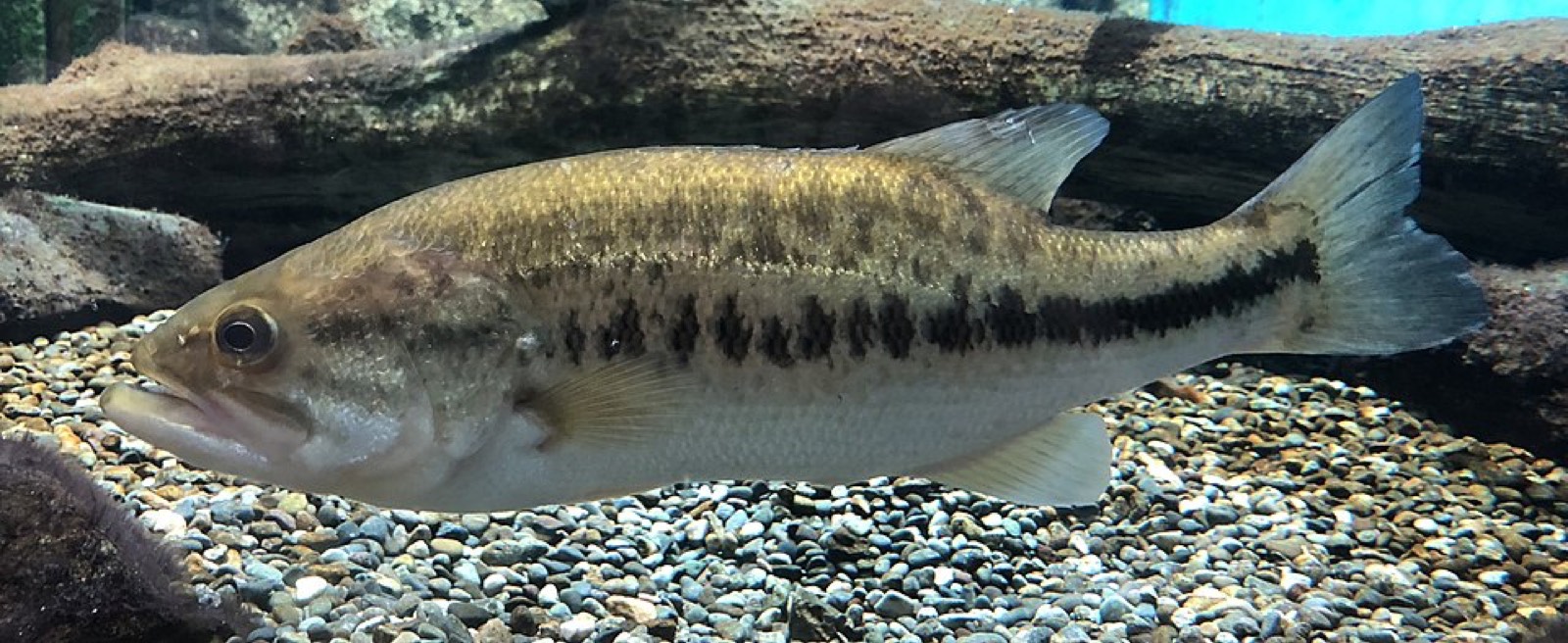
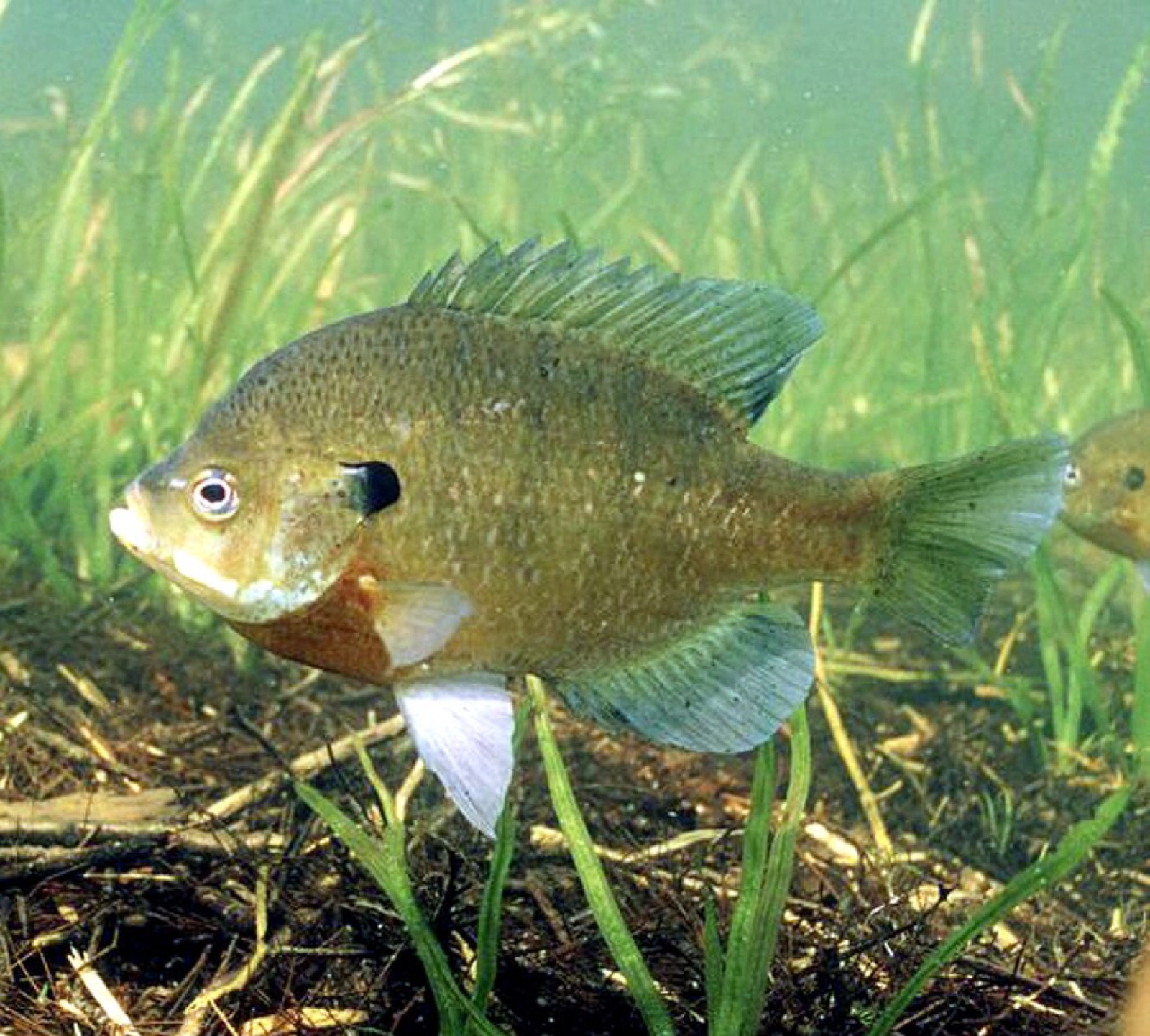
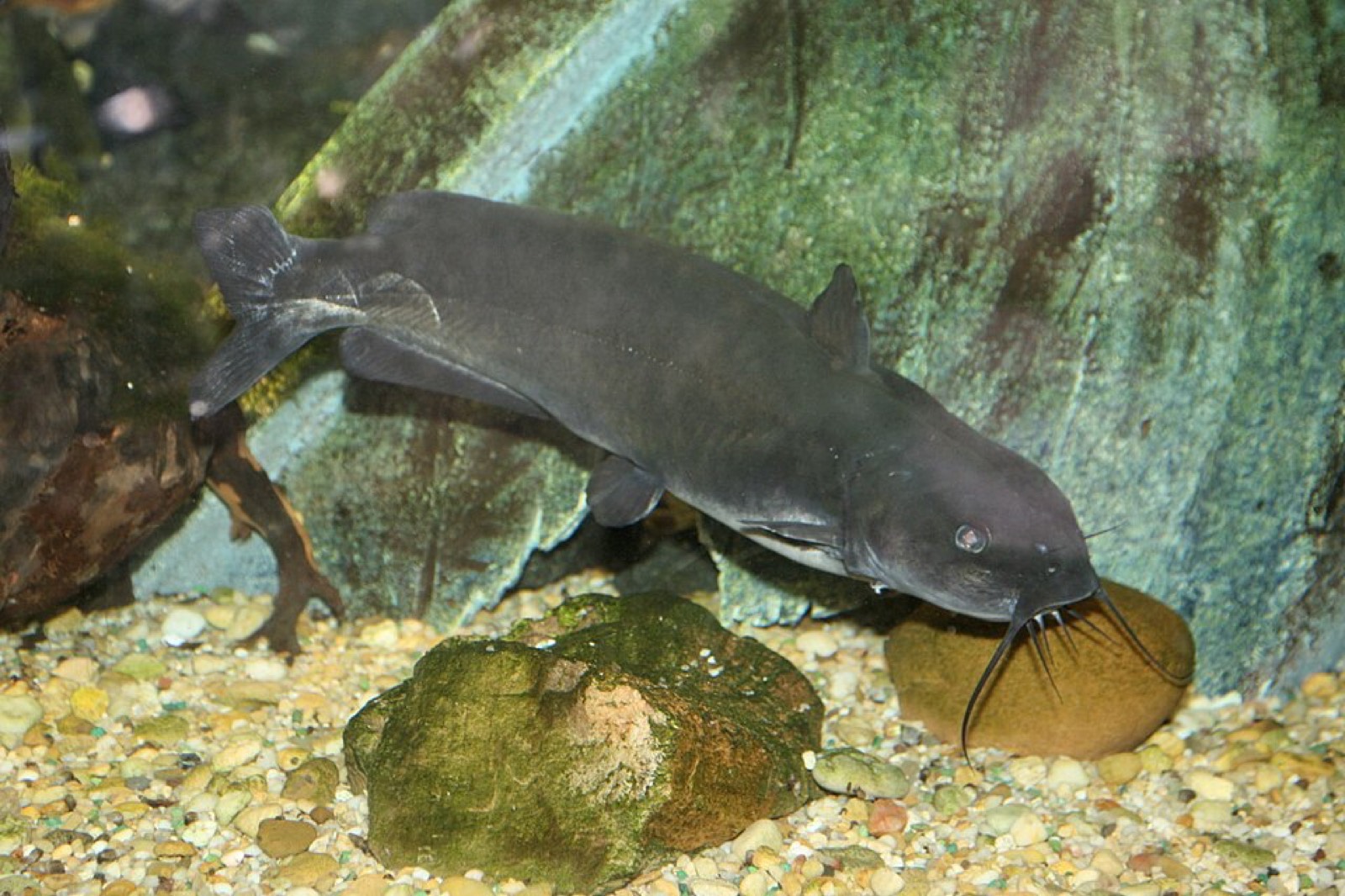
| Pond fish — bass, bluegill, catfish | — | — | $500 | 2–3 yr |
| Livestock subtotal | $4,450 |
After year one the cow's calf is free, you hatch or buy chicks as needed, and bees split themselves — so restocking cost is minimal.
| Item | $/yr | How it's minimized |
|---|---|---|
| Winter hay | $0–200 | Stockpile forage + custom-bale your surplus on shares — no baler to own |
| Poultry feed | $300–600 | Pasture + scraps + grown grain trim it; keep the flock small |
| Beef processing (hired) | $700–1,100 | Keep it — ~$2–3/lb vs $6–10 retail; do poultry yourself |
| Breeding — AI or borrowed bull | $50–100 | No bull kept (feed, fence, danger for one cow) |
| Salt / minerals | $75–150 | Small and unavoidable |
| Misc vet / meds / repairs | $100–200 | Healthy pastured stock need little |
| Ongoing total | ~$1,200–2,000 | ~$1k of it is beef processing = a freezer of beef |
The protein + fat: milk, butter, cheese, beef, eggs, chicken, honey, fish. The cattle's manure and the mobile coop's nitrogen are the fertility that makes the garden and orchard nearly free to run; the herd drinks from the pond and hydrants and grazes the silvopasture rows.