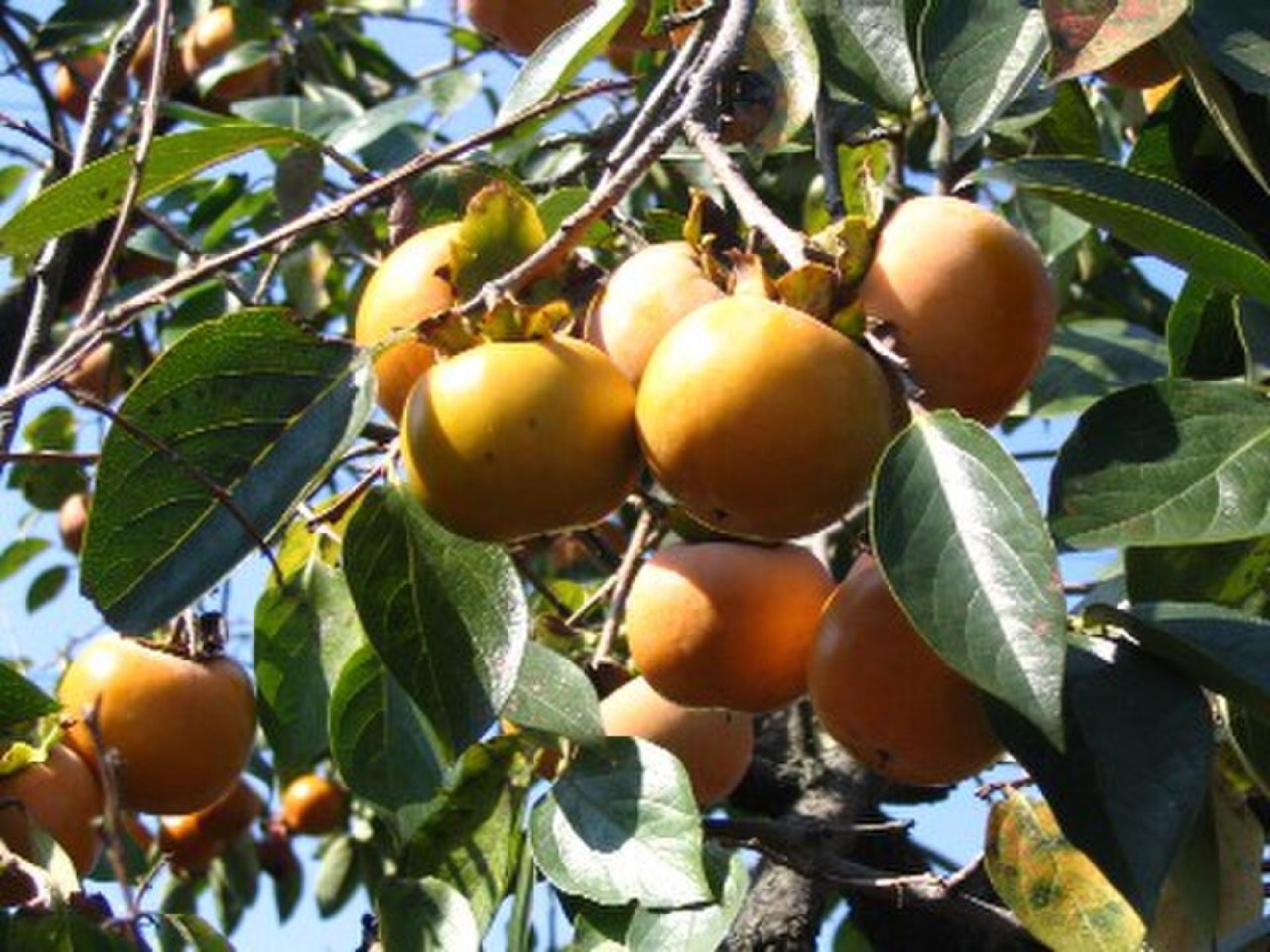
A how-to for the easiest tree in the orchard — tough, low-care Asian Fuyu persimmons that thrive in North Texas heat with almost no spraying. Part of the Orchard.
Plant in Jan–Feb while dormant; persimmons have a deep taproot, so handle bare-root carefully or use containerized stock and disturb the roots as little as possible. Space 20 ft apart — they make a broad, handsome tree. Water in well and mulch.
All Fuyu (non-astringent). Six trees is plenty of fruit for a family and surplus to share. No pollinizer is required, and fruit is typically seedless. This is the lowest-input tree in the whole orchard plan — set it and largely forget it.
| When | What |
|---|---|
| Dormant (Jan–Feb) | Prune lightly to a central leader and build strong scaffolds — persimmon wood is brittle and snaps under fruit load. |
| Spring bloom (Apr–May) | Blooms late, after frost danger has passed — one big reason it's so reliable here. |
| Summer | Thinning is optional; thin a touch only if a young limb is overloaded. Almost no spraying needed. |
| Late summer | Fruit colors orange; leaves turn brilliant — handsome ornamental as well as a crop. |
| Fall (Oct–Nov) | Harvest Fuyu firm and crisp; clip with shears (don't pull) to keep the calyx and avoid tearing the fruit. |
Genuinely few. Persimmons shrug off most insects and diseases that plague the rest of the orchard — no fire blight, no codling moth, no spray program. The main issues are brittle wood that can split under a heavy crop and the odd bout of leaf spot. Build good scaffold structure early and you've solved most of it.
Late frost is rarely a problem here because Fuyu blooms late — a big advantage over peaches and plums. The real competition is wildlife: deer, birds, and raccoons all love ripe persimmons, so cage young trees and net or pick promptly at ripening.
| Item | Figure |
|---|---|
| First real crop | year 3–5 |
| Mature yield per tree | ~50–100+ fruit |
| Trees in the block | 6 @ 20 ft |
| Best use | fresh-crisp, dried, baked |