Not a product — it's what makes the other four buckets cheaper and more resilient.
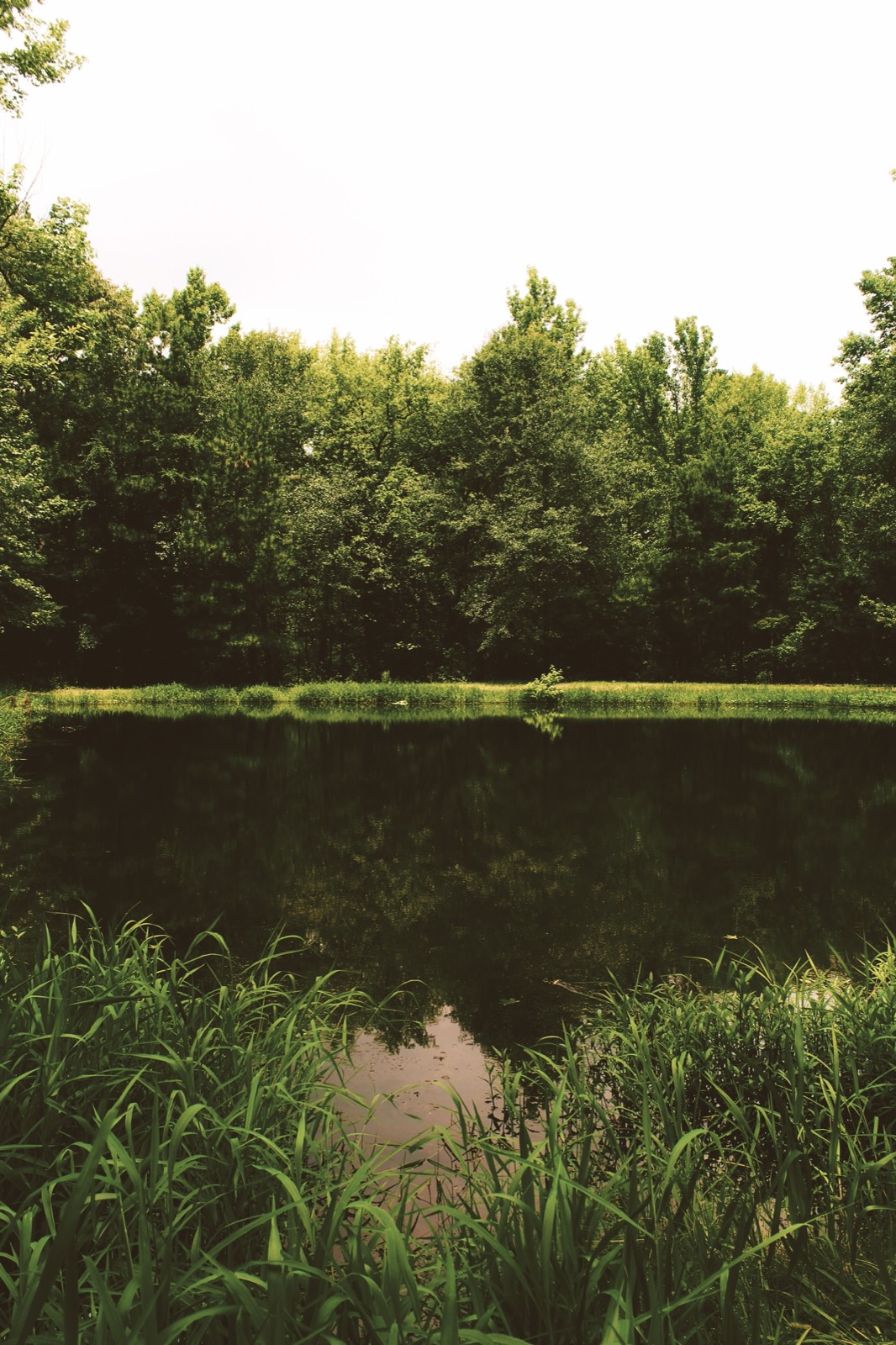
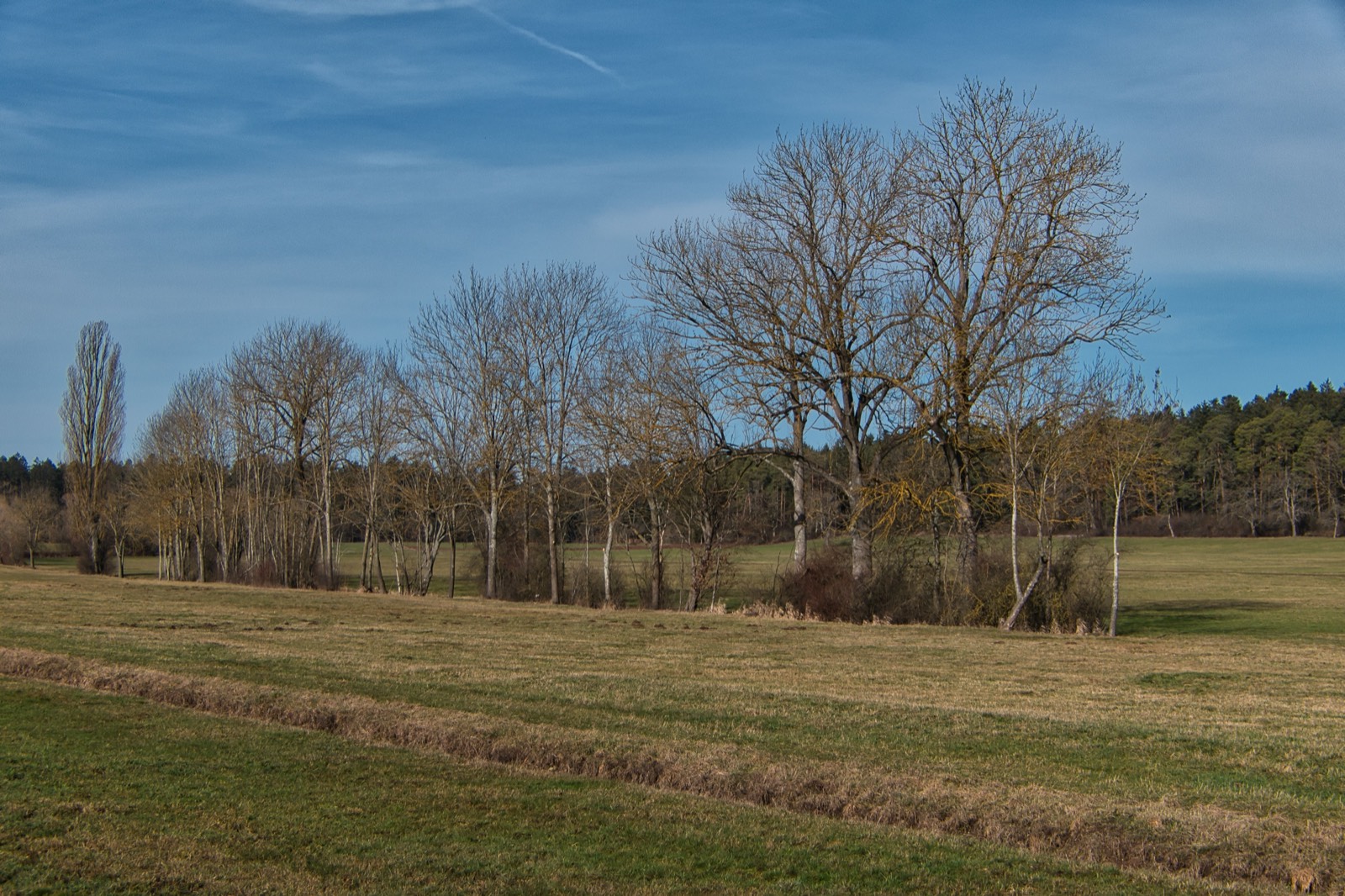
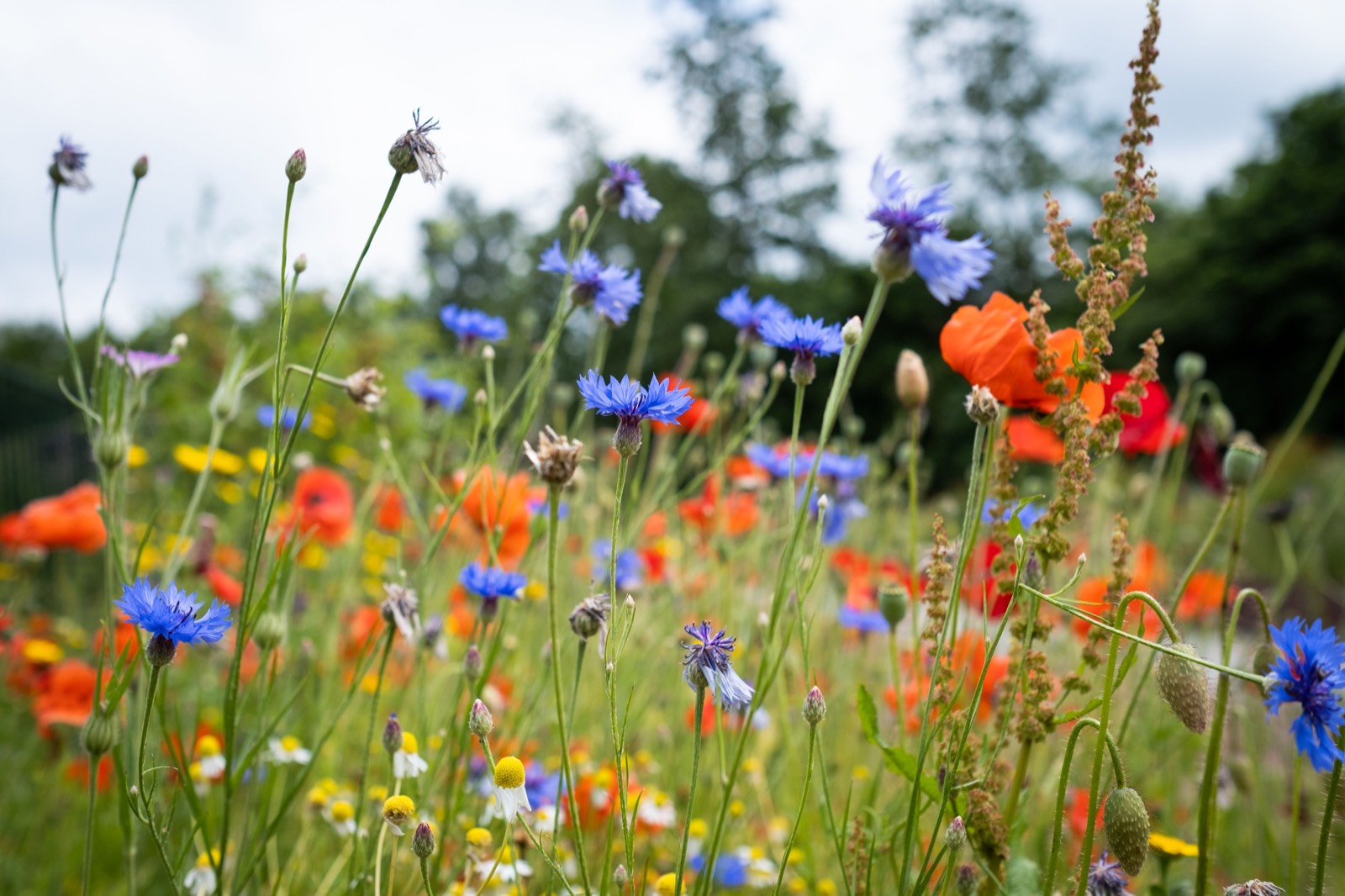
The water and habitat backbone: a half-acre stocked pond in the natural low, buried lines feeding frost-free hydrants everywhere, a native windbreak on three edges, and pollinator strips threaded through the farm. It earns no cash — it earns leverage: free water, wind protection, pollination, and resilience that lower every other bucket's cost.
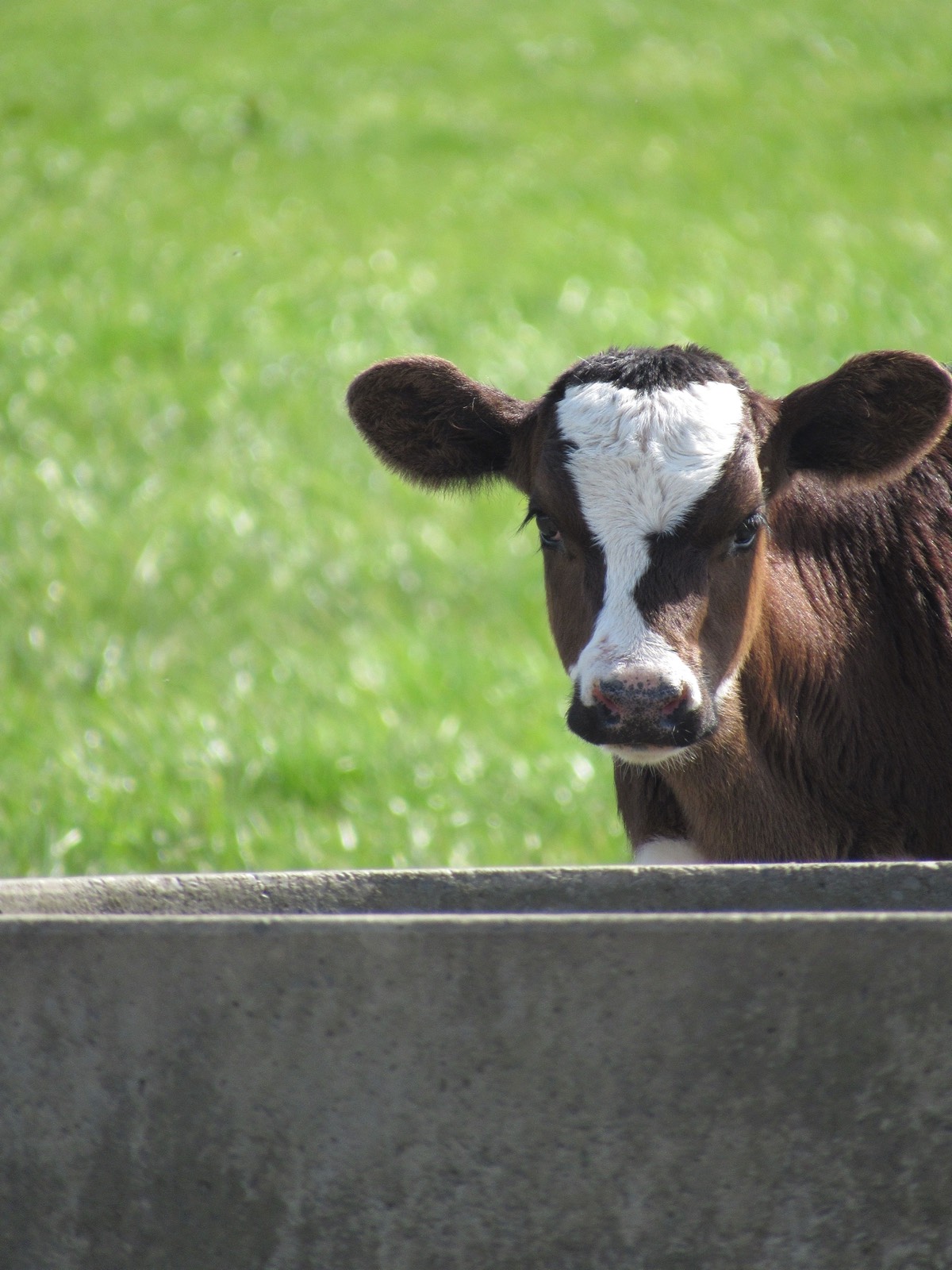
Lines below frost line (~12–18"). Cattle drink from troughs on hydrants; the pond edge is fenced with one hardened access point so the herd can't pug the banks.
| Item | Qty | Unit | Cost |
|---|---|---|---|
| Pond excavation — 0.5 ac, keyed dam | 1 | — | $12,000 |
| Buried water main + frost-free hydrants | 10 | — | $10,000 |
| Windbreak — native trees (double row) | 150 | $12 | $1,800 |
| Pollinator / native seed + establishment | — | — | $1,000 |
| Contour swales — machine time + materials | — | — | $500 |
| Windbreak tree tubes / protection | 150 | $2 | $300 |
| Bucket E total | ~$25,600 |
Pond cost drops sharply if you push the dirt yourself ($8k DIY vs ~$18k hired). Windbreak: bur oak, cedar elm, eastern red cedar, Mexican plum, Eve's necklace — 12–15 ft on-center, N/E/W edges only (south left open for road frontage and winter sun).
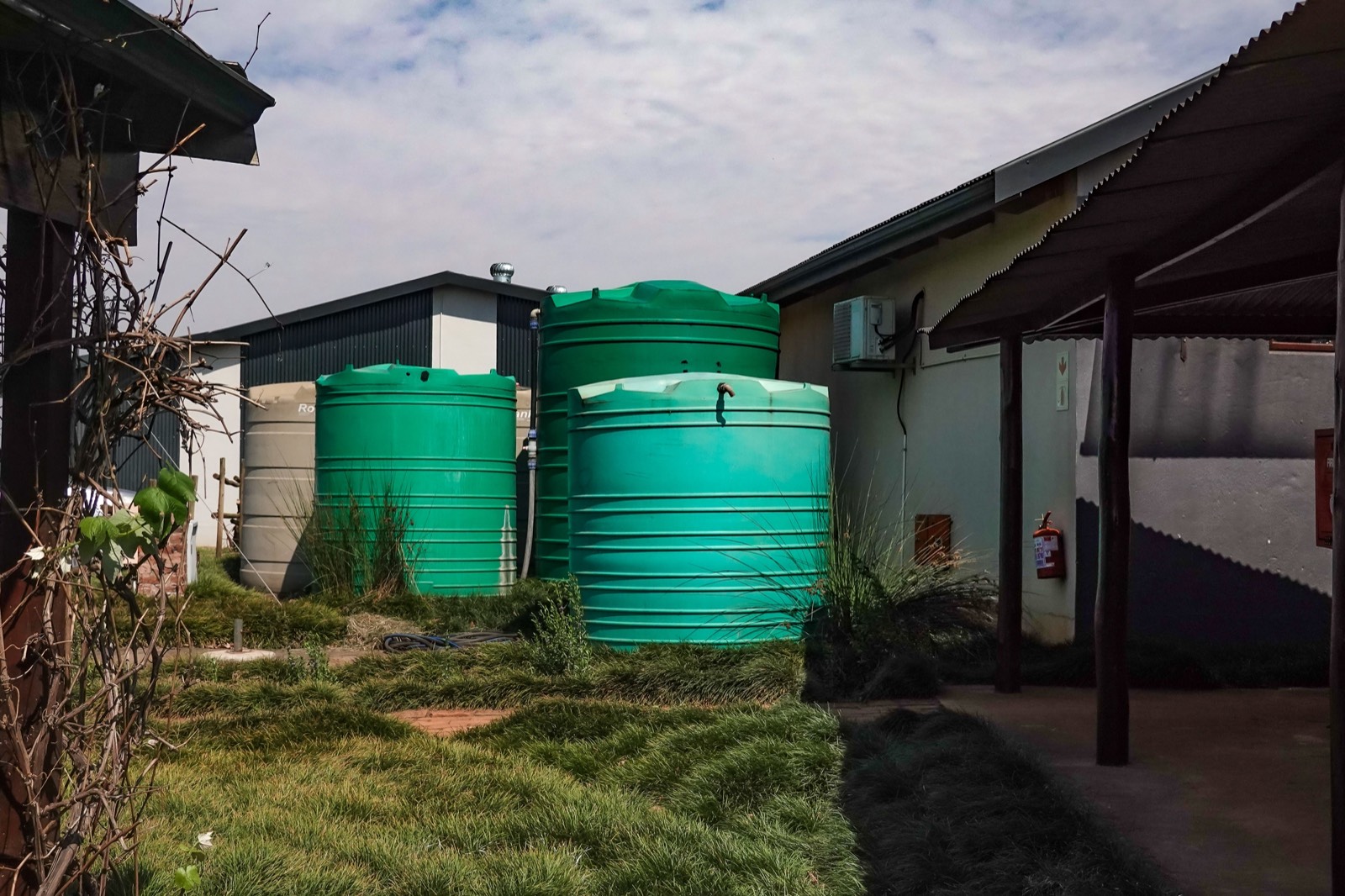
Once established it runs itself: rain fills the pond and tanks, the windbreak and natives are unirrigated, hydrants are maintenance-light. Effectively no recurring cash.
The multiplier. Pollinators lift orchard yield; the windbreak shelters every bucket and cuts evaporation; the pond waters the herd, irrigates the garden in a pinch, and adds fish + recreation; swales push roof runoff into the orchard instead of off-site.