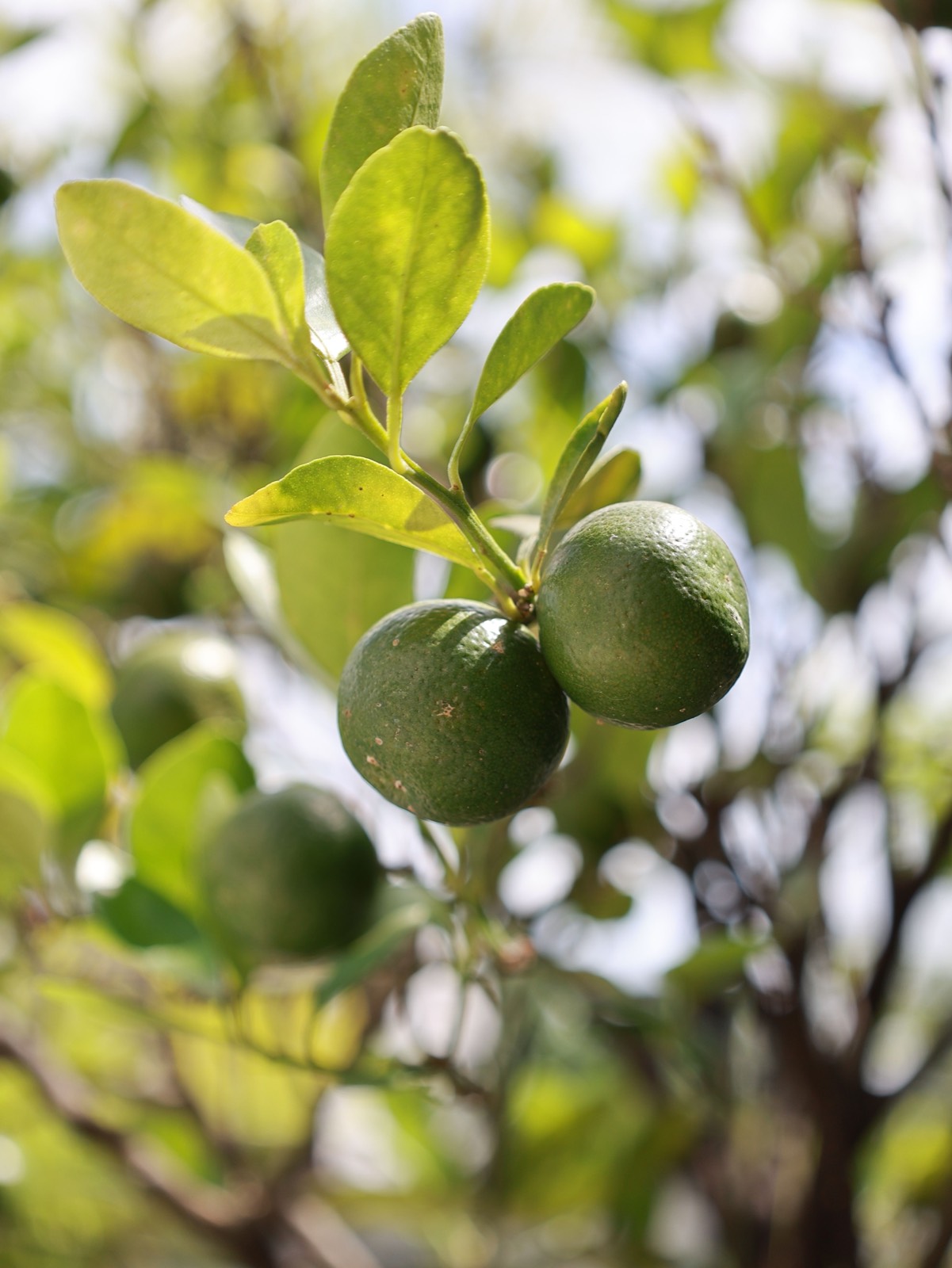
A how-to for the tenderest citrus on the place — a container-only lime that must overwinter under cover, but rewards you with seedless juice all summer. Part of the Orchard.
Plant in a 20–25 gallon pot on a wheeled base — mobility is the whole point. Use a fast-draining citrus mix (potting soil with bark and perlite); limes resent wet roots. Give it full sun and warmth all summer on the south side, and feed with citrus fertilizer through the growing season.
As soon as nights approach freezing, the lime goes into the greenhouse for the winter — don't try to ride out a freeze outdoors under cloth like the hardier types. Inside, water sparingly (cool roots need little), keep good light, and watch for pests. Move it back out only after spring frosts are reliably done, easing it back into full sun over a few days.
| When | What |
|---|---|
| Winter | Sheltered in the greenhouse; minimal water, no feeding, watch for scale. |
| Spring | After last frost, move outside and harden off; repot if rootbound; first feeding. Bloom begins. |
| Summer | Heavy water and feeding; heat-loving and productive — fruit sets and sizes. |
| Late summer–fall | Main harvest — pick green and juicy; they yellow if left too long. |
| First frost warning | Back into the greenhouse for the season — no gambling with this one. |
This tree's tolerance is razor-thin — leaves and fruit suffer at freezing, and a hard freeze is fatal. The plan is simple: it must be under cover before the first real cold. Never leave it out hoping a forecast holds. If it does take a chill, wait for spring growth before cutting anything back.
Crowded winter quarters invite scale, mealybugs, and spider mites — inspect and treat with horticultural oil before and during the greenhouse stay. In summer the pot dries fast; check daily in heat, but never let it sit waterlogged. Yellowing leaves usually mean overwatering or a feeding gap.
| Item | Note |
|---|---|
| When to pick | Deep green and heavy with juice — they're best slightly before they turn yellow. |
| How to use | Seedless and aromatic — juice for drinks, cooking, and preserving; the zest is fragrant too. |
| Yield | A healthy potted tree gives a steady summer crop — enough for the kitchen and then some. |