.jpg)
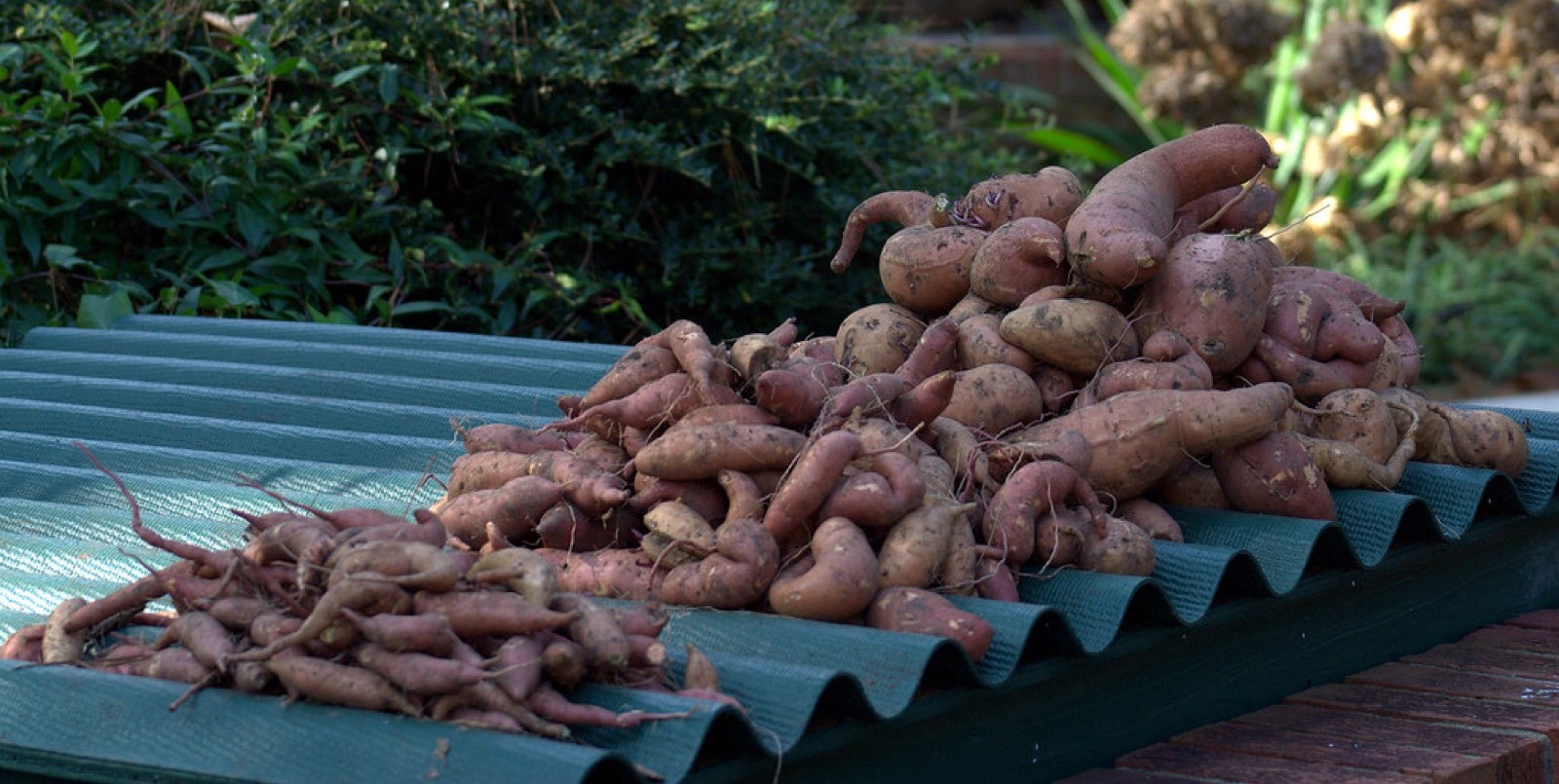
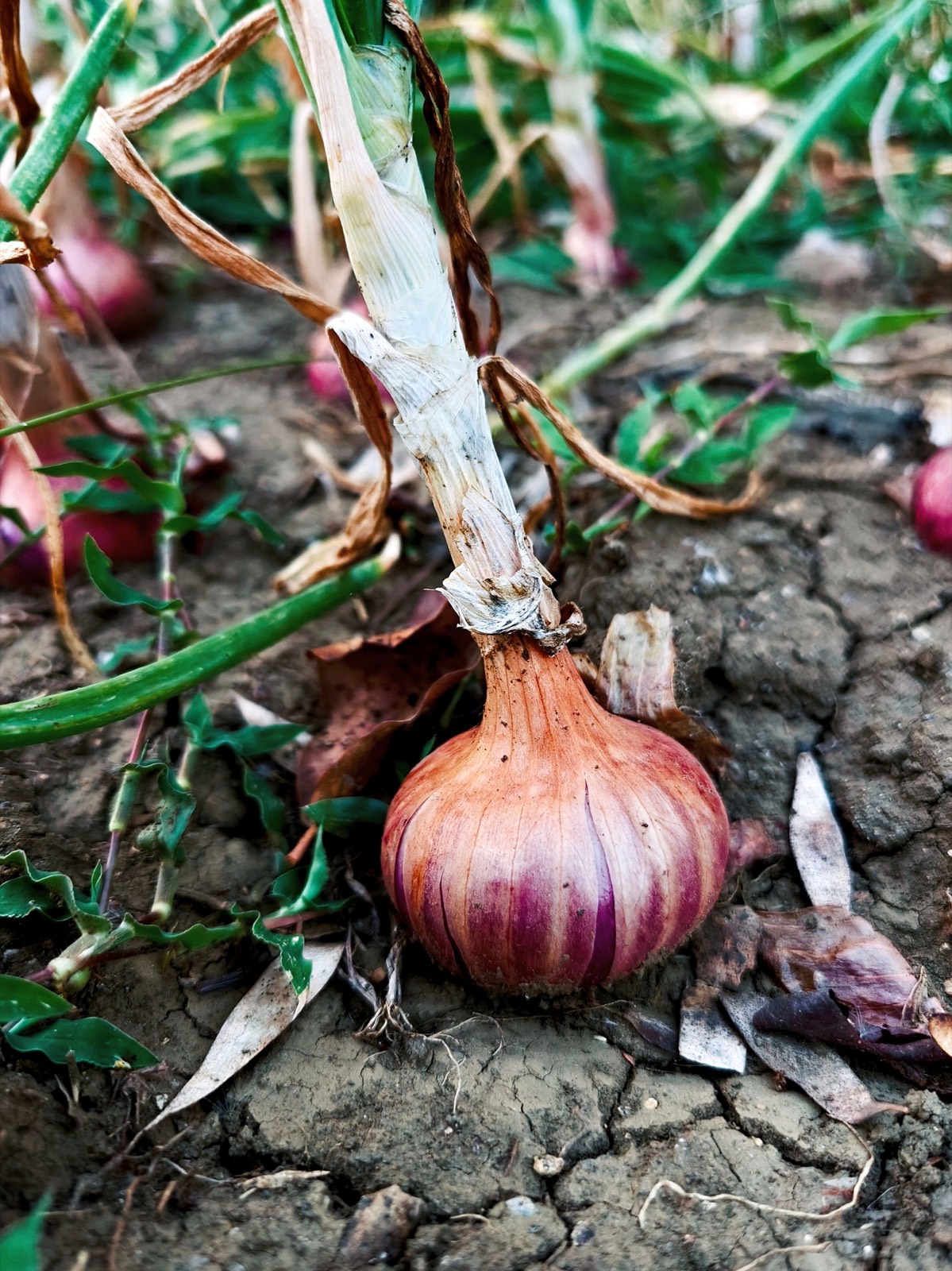
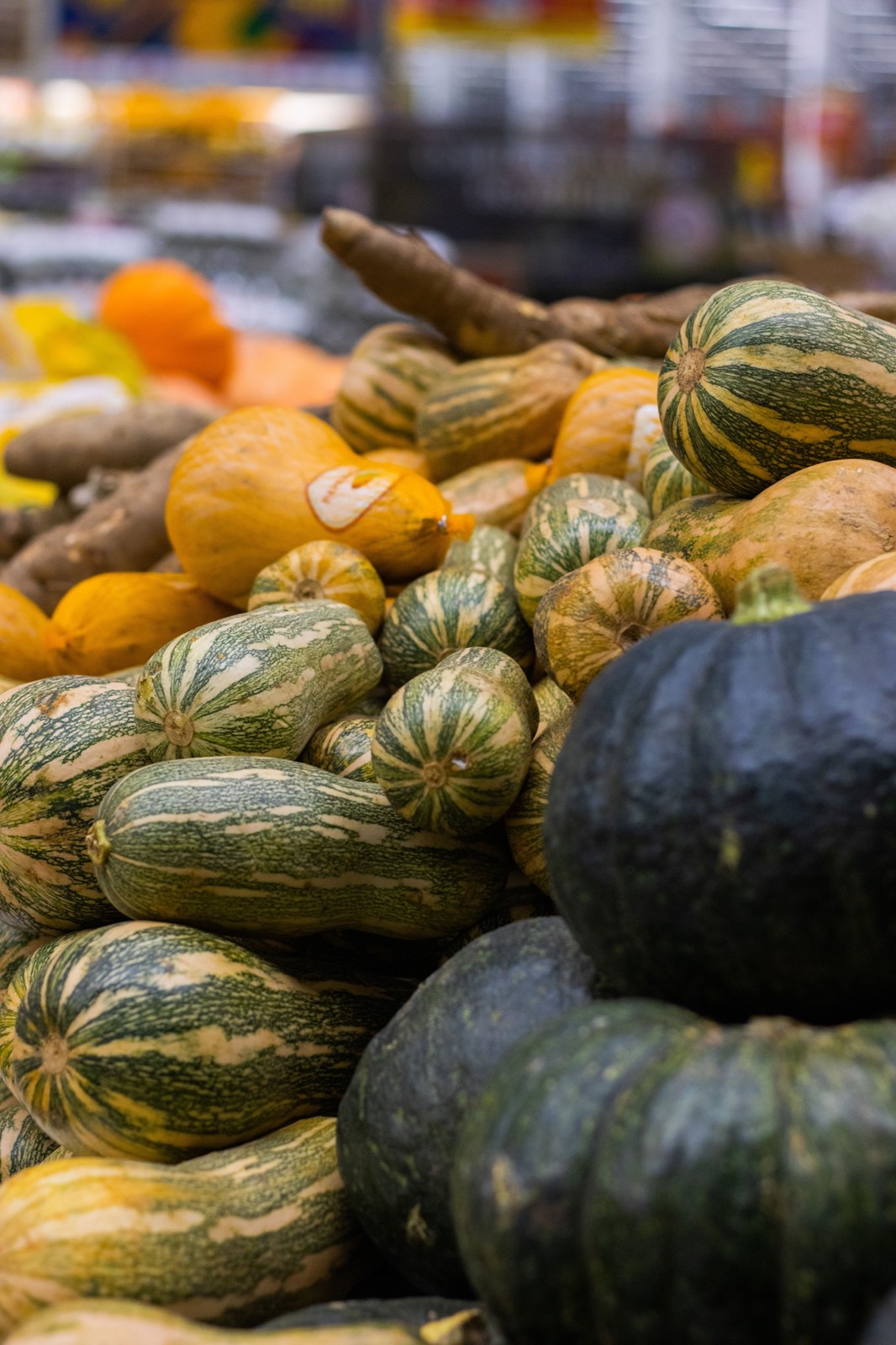
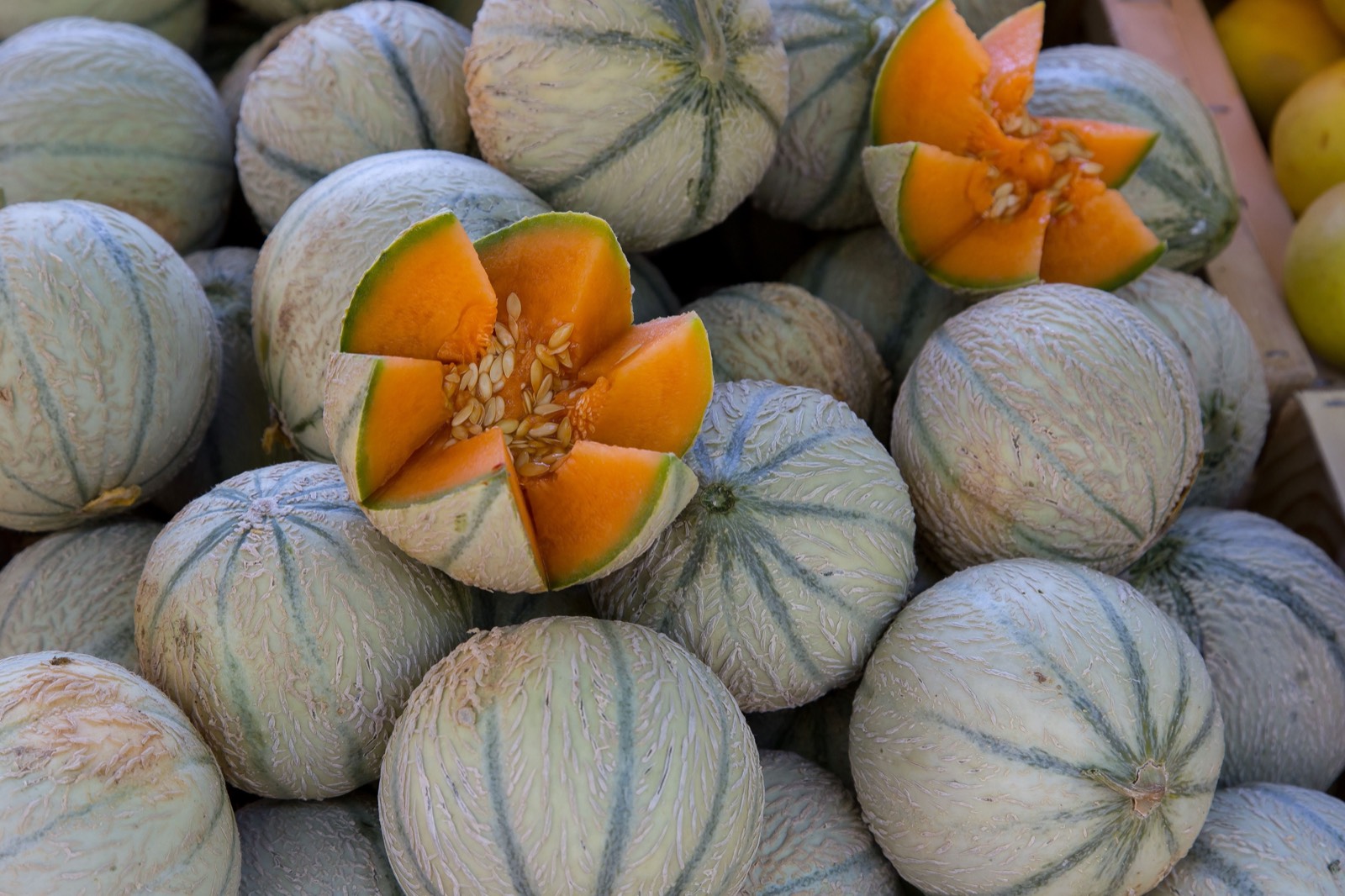
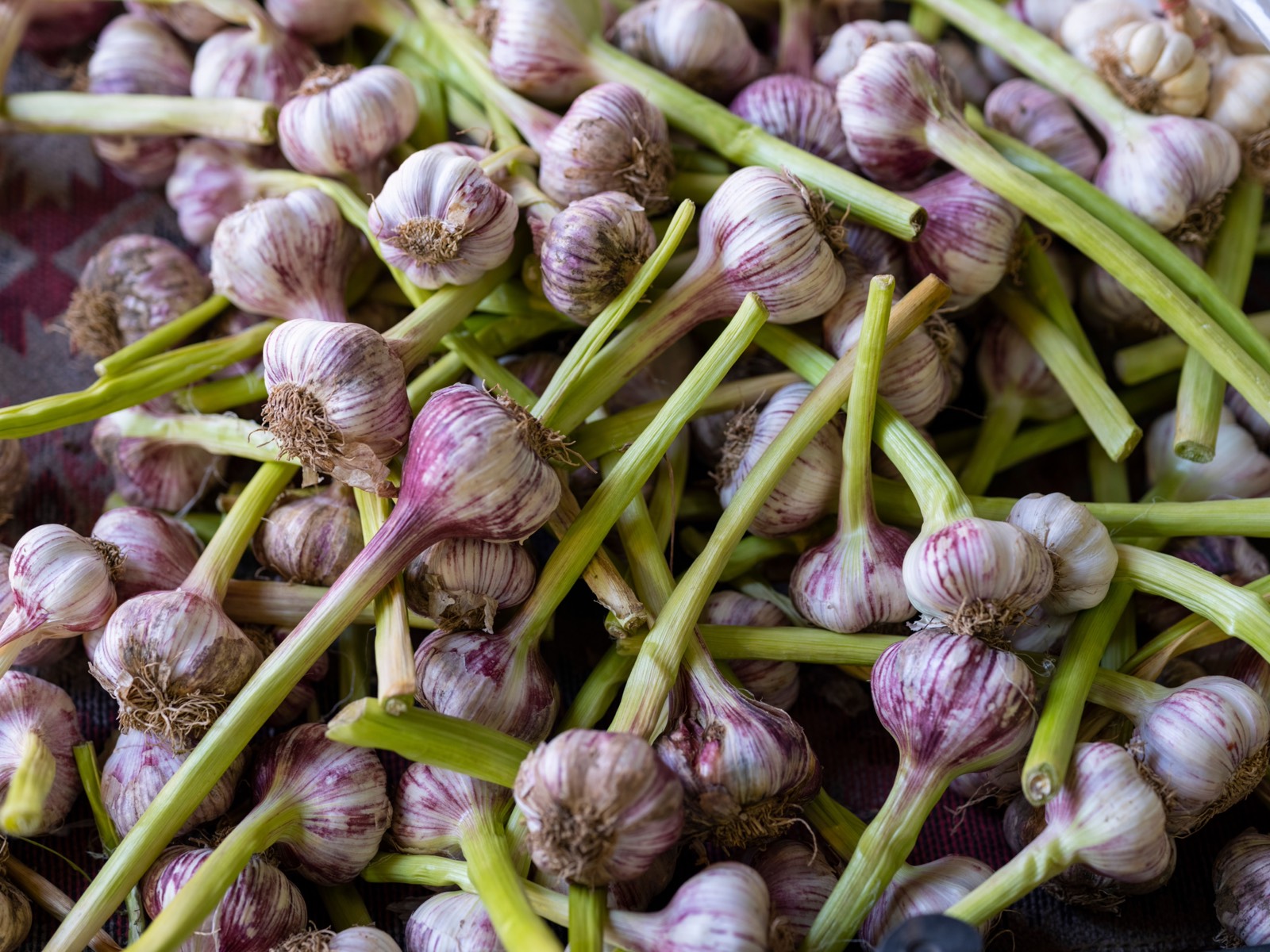
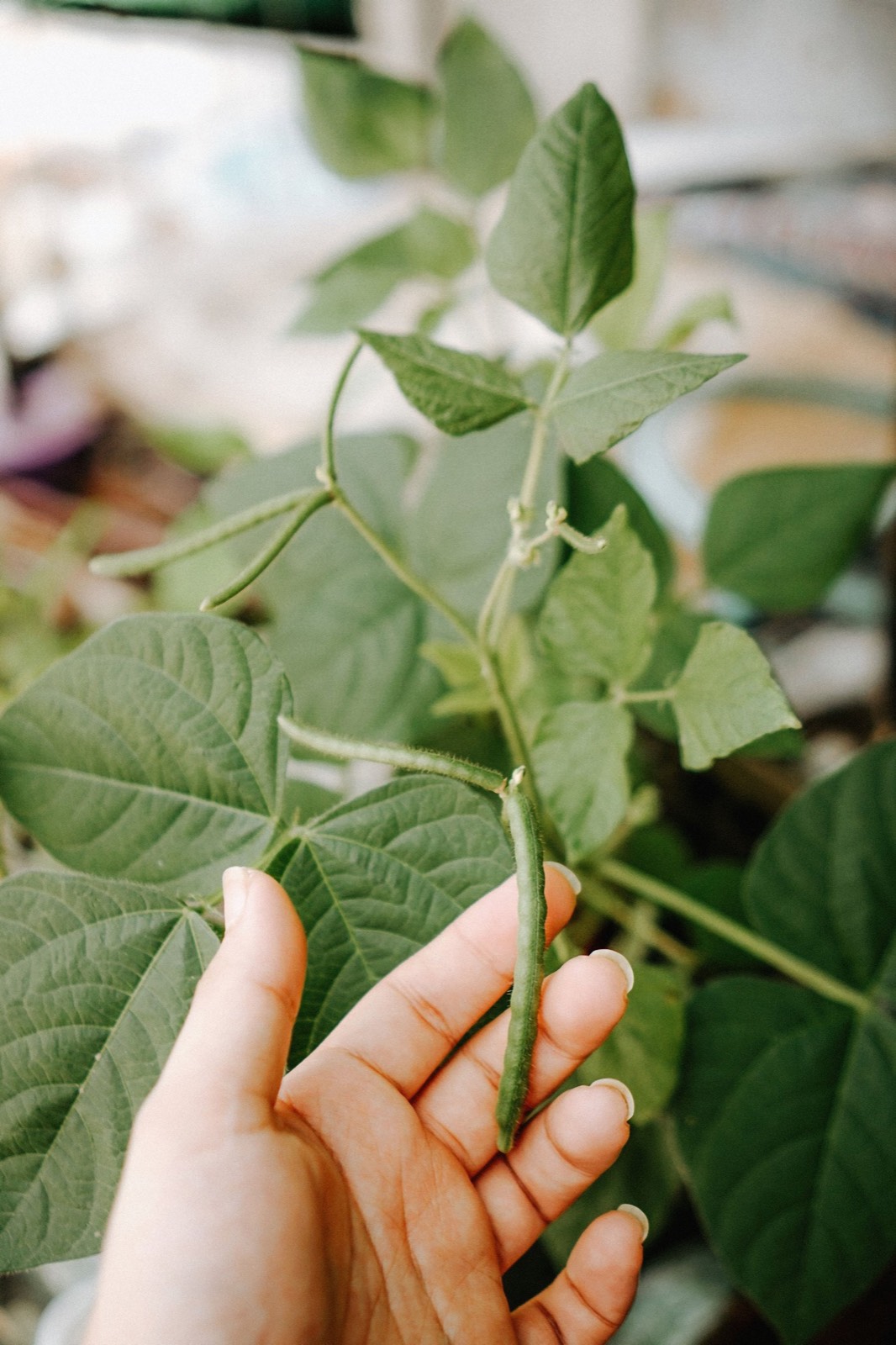
The open beds and field crops that feed you in year one — plus the greenhouse that starts the transplants, carries winter greens, and overwinters the citrus.
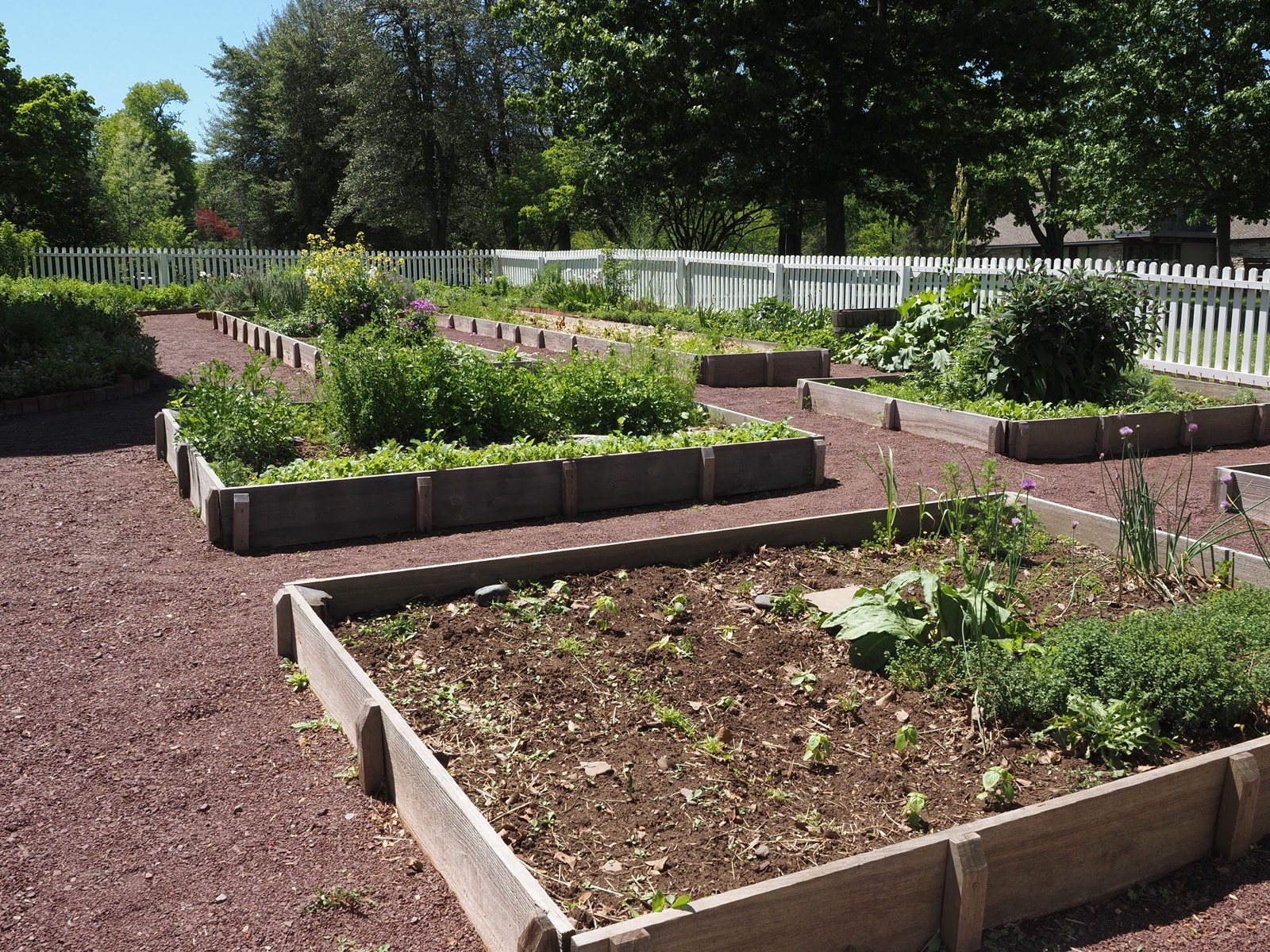
A half-acre intensive zone next to the house: raised beds and in-ground rows, a 16×40 greenhouse for transplants and winter greens, compost, a wash/pack station, and a tool shed. Produces vegetables in months — the bucket that puts food on the table while the trees and herd are still establishing.
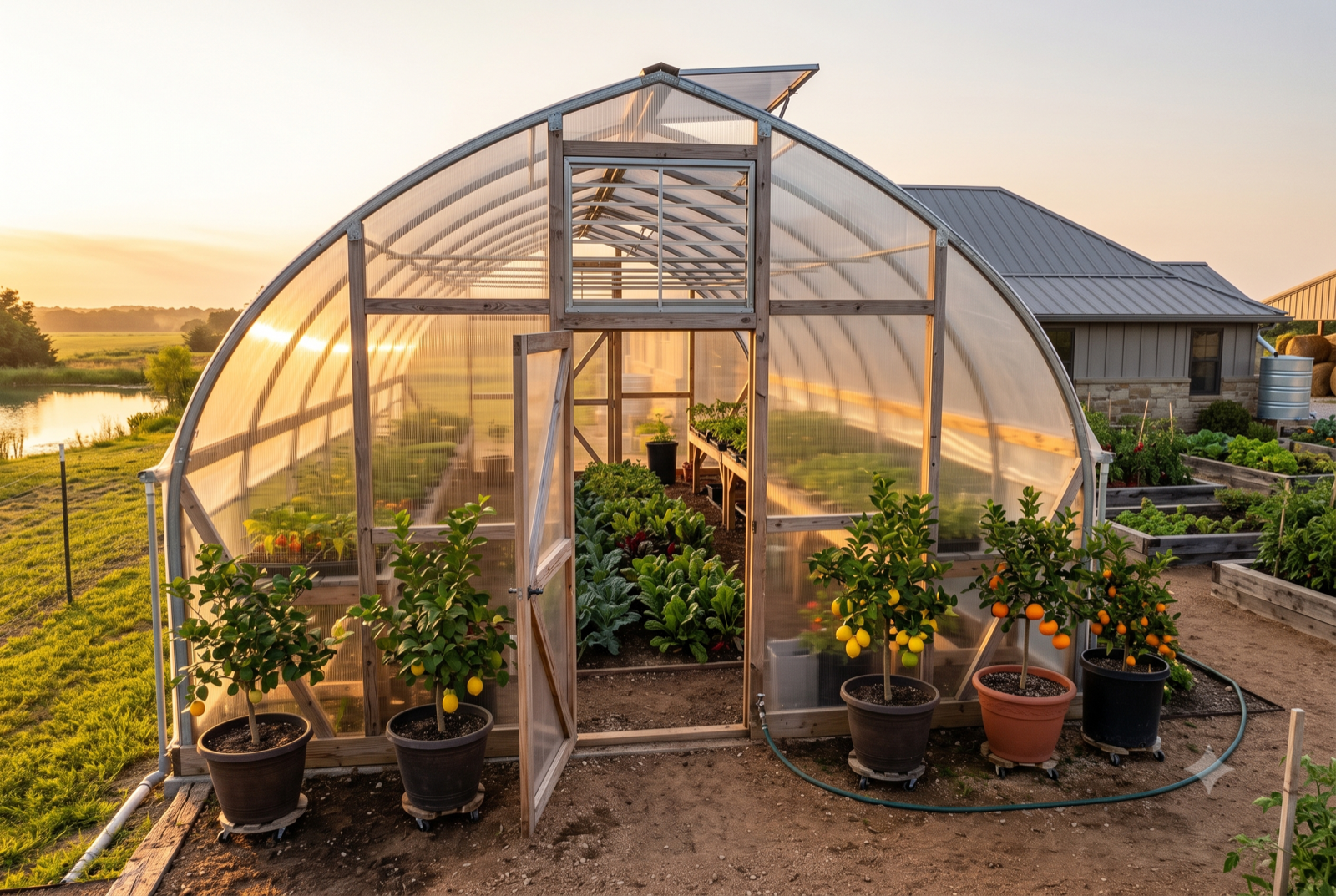
A 16×40 gothic high tunnel is the season-stretcher: it starts the transplants that fill these beds, grows winter greens when the outdoor garden sleeps, and is the winter home for the container citrus.
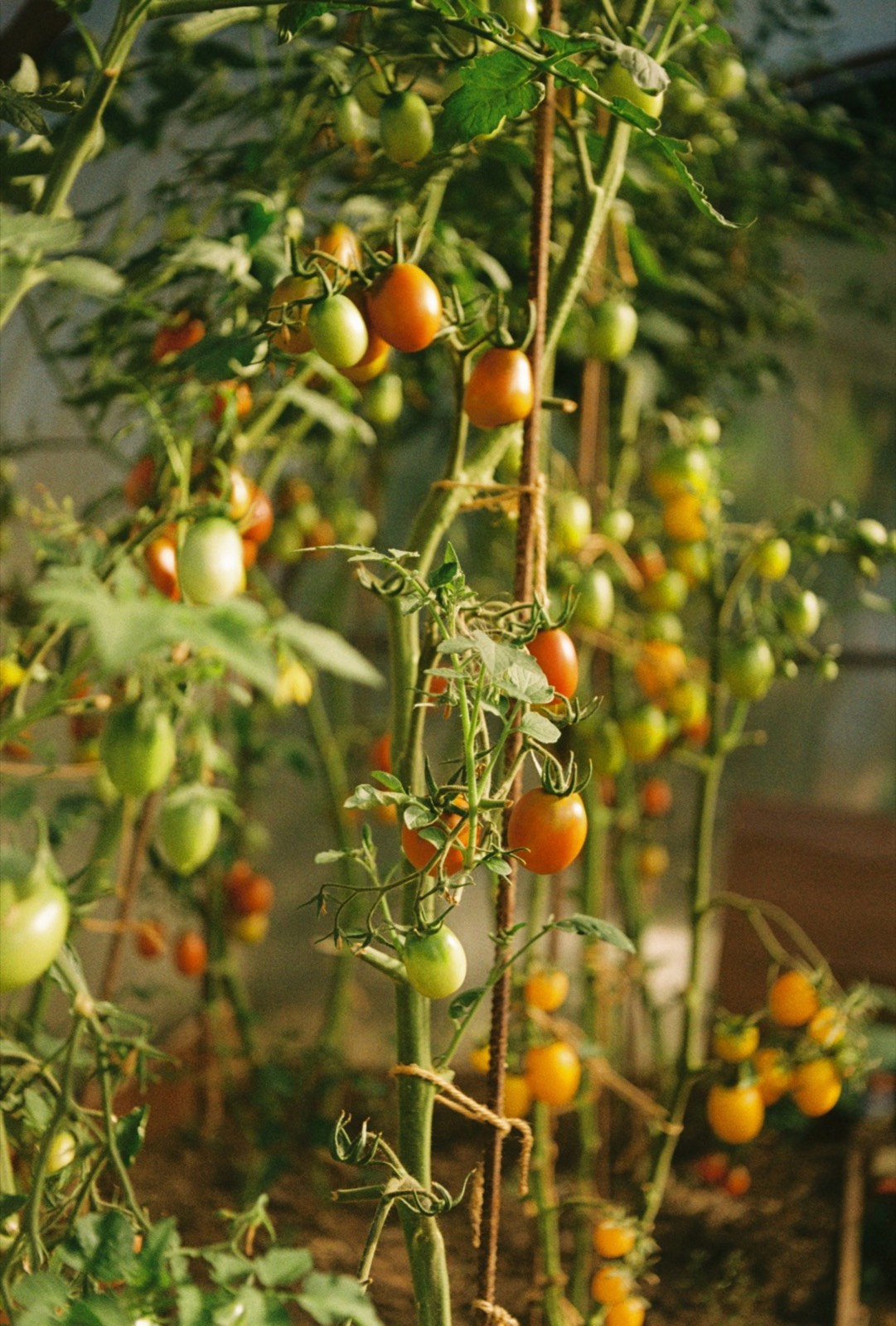
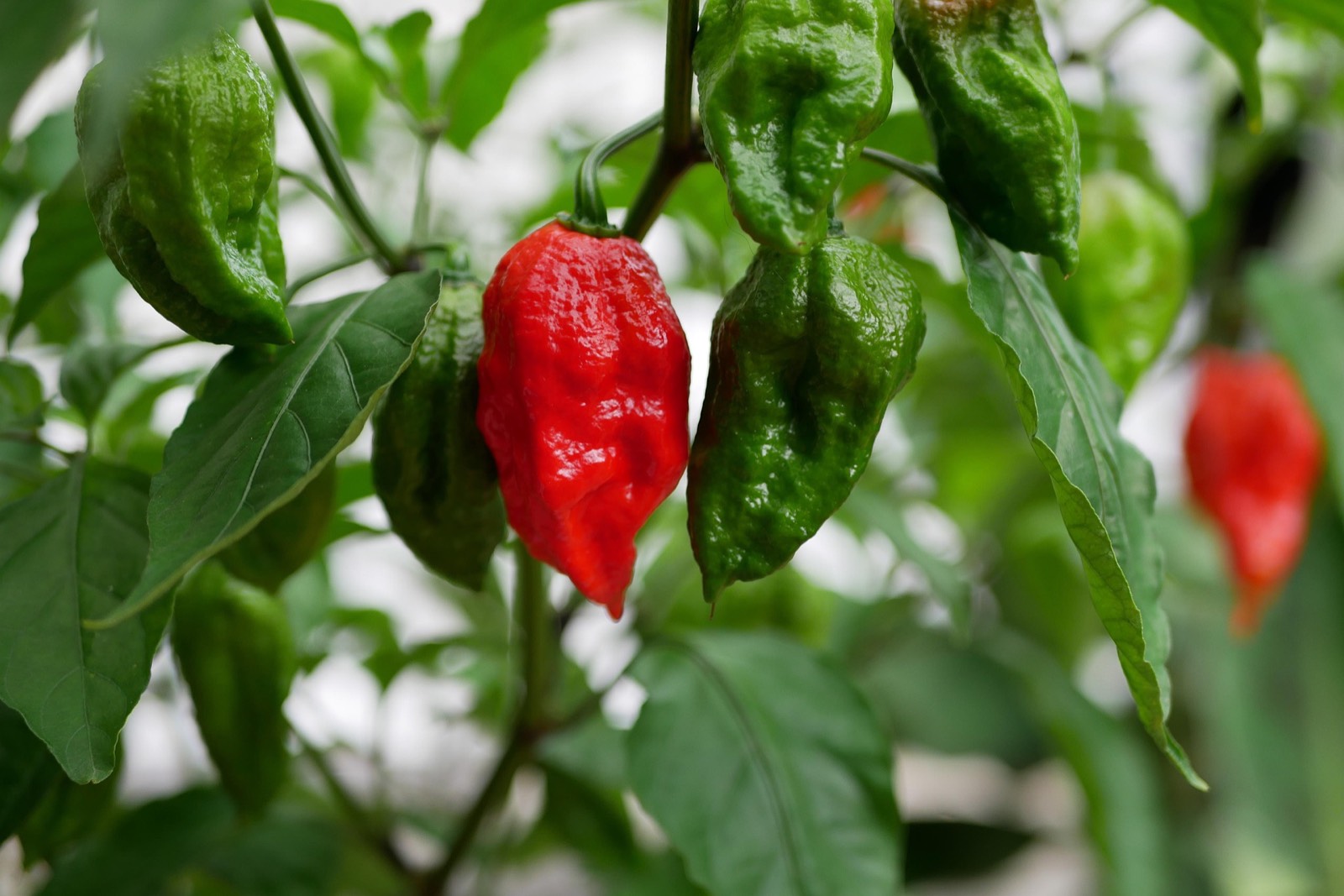
Weeks of head start — tomatoes, peppers, brassicas raised as transplants, then hardened off on schedule.
Lettuce, spinach, kale, and herbs under cover through the cold months — salad when the beds are down.
Potted lemons, limes, satsuma, and kumquat roll in before a hard freeze and back out in spring.
| Item | Qty | Unit | Cost |
|---|---|---|---|
| Greenhouse 16×40 — gothic high tunnel (see The Greenhouse above) | 1 | $12,000 | $12,000 |
| Raised beds, cedar 4×8 (lumber + hardware) | 16 | $120 | $1,920 |
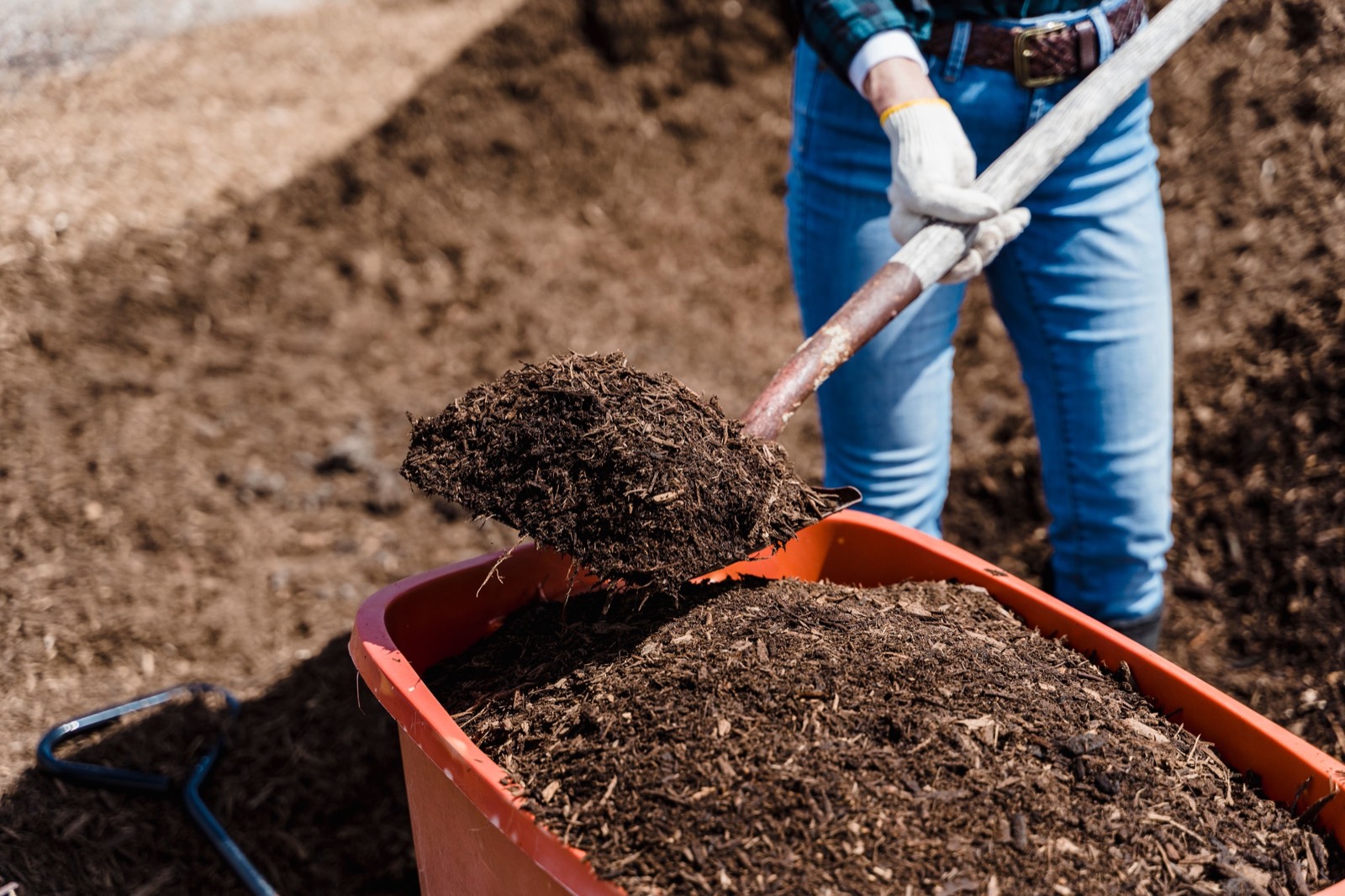
| Bulk soil / compost fill for beds | — | — | $1,000 |
| Tool / potting shed | 1 | $2,000 | $2,000 |
| Drip irrigation + timers (off hydrant/tanks) | — | — | $800 |
| Wash / pack station (sink, table, shade) | 1 | $800 | $800 |
| Compost system — 3-bin + tumbler | 1 | $500 | $500 |
| Infrastructure subtotal | ~$19,020 |
The greenhouse is built and budgeted here; the container citrus it overwinters is counted with the Orchard.
| Item | What / when | Cost |
|---|---|---|
| Warm-season transplants & seed | Tomato, pepper, squash, beans, melon, okra, southern pea (after ~Apr 1) | $180 |
| Cool-season seed | Brassicas, peas, onions, potatoes, garlic, fall greens (Mar & Sep–Oct) | $120 |
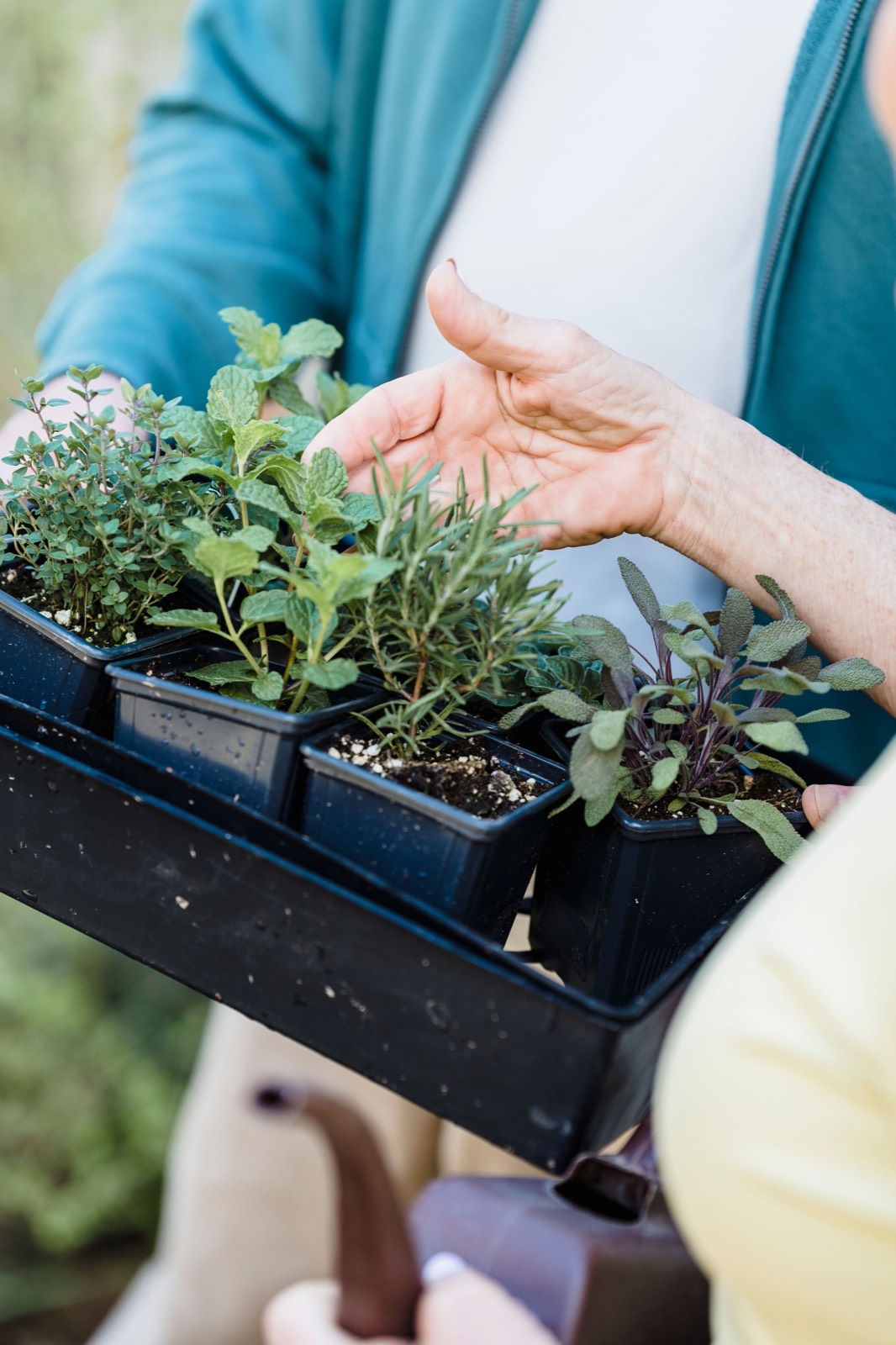
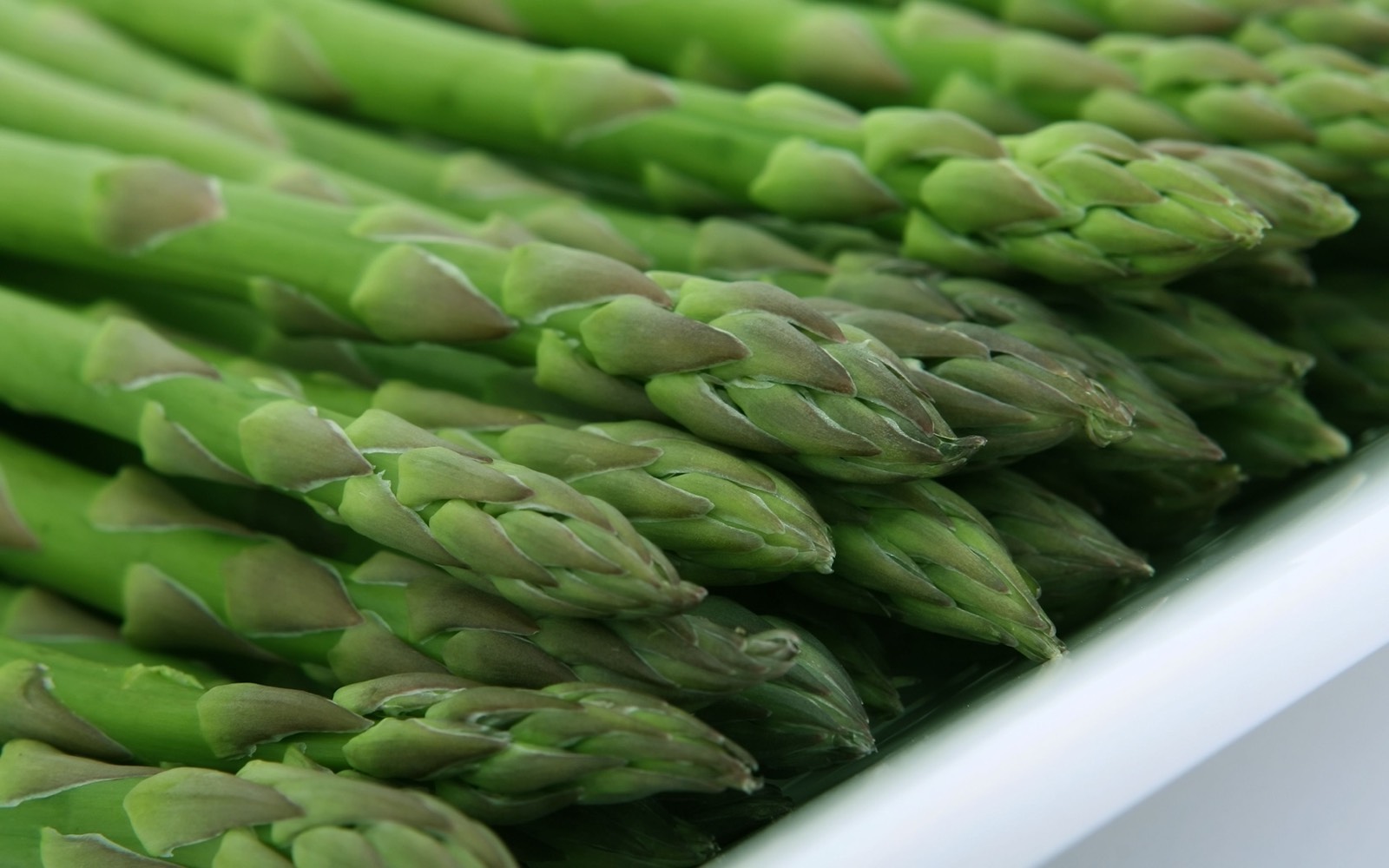
| Perennial crops | Asparagus crowns, rhubarb, perennial herbs (sage, thyme, oregano) | $180 |
| First-planting subtotal | ~$480 |
After year one you save your own seed, grow your own transplants in the greenhouse, and make your own compost — so the recurring cash cost falls toward the low end below.
The one thing the "feed yourselves" plan still bought was grain — flour, cornmeal, and poultry feed. A small annual grain plot (¼–½ acre, rotated through the expansion ground or a paddock corner) closes most of it, and the same crop cuts the feed bill for the hens and cattle.
Dent/flint (Bloody Butcher, Hickory King) dries for cornmeal, grits, masa; sweet corn to eat; field corn feeds the flock. Easy here — plant in blocks Apr–May. How-to →
Hard red winter wheat (this is wheat country) sown Oct–Nov, cut June. Growing is easy; threshing + milling is the work — grow a plot and/or mill bulk berries. How-to →
A hand or electric mill (Country Living, Mockmill, KoMo) is what turns berries into fresh flour and corn into meal — the piece that actually retires the flour aisle.
Seed/transplants you don't save, occasional amendments, drip-line bits. Trends to the low end as you save seed and lean on home compost.
Fastest payback and daily fresh food. Takes manure and finished compost in; sends scraps and culls back out to the hens and cattle. Drinks rainwater off the house roof and the hydrant network.