A how-to for the fastest, most productive bed in the garden — summer and winter squash, and the two bugs you'll spend all season fighting. Part of the Garden & Greenhouse.
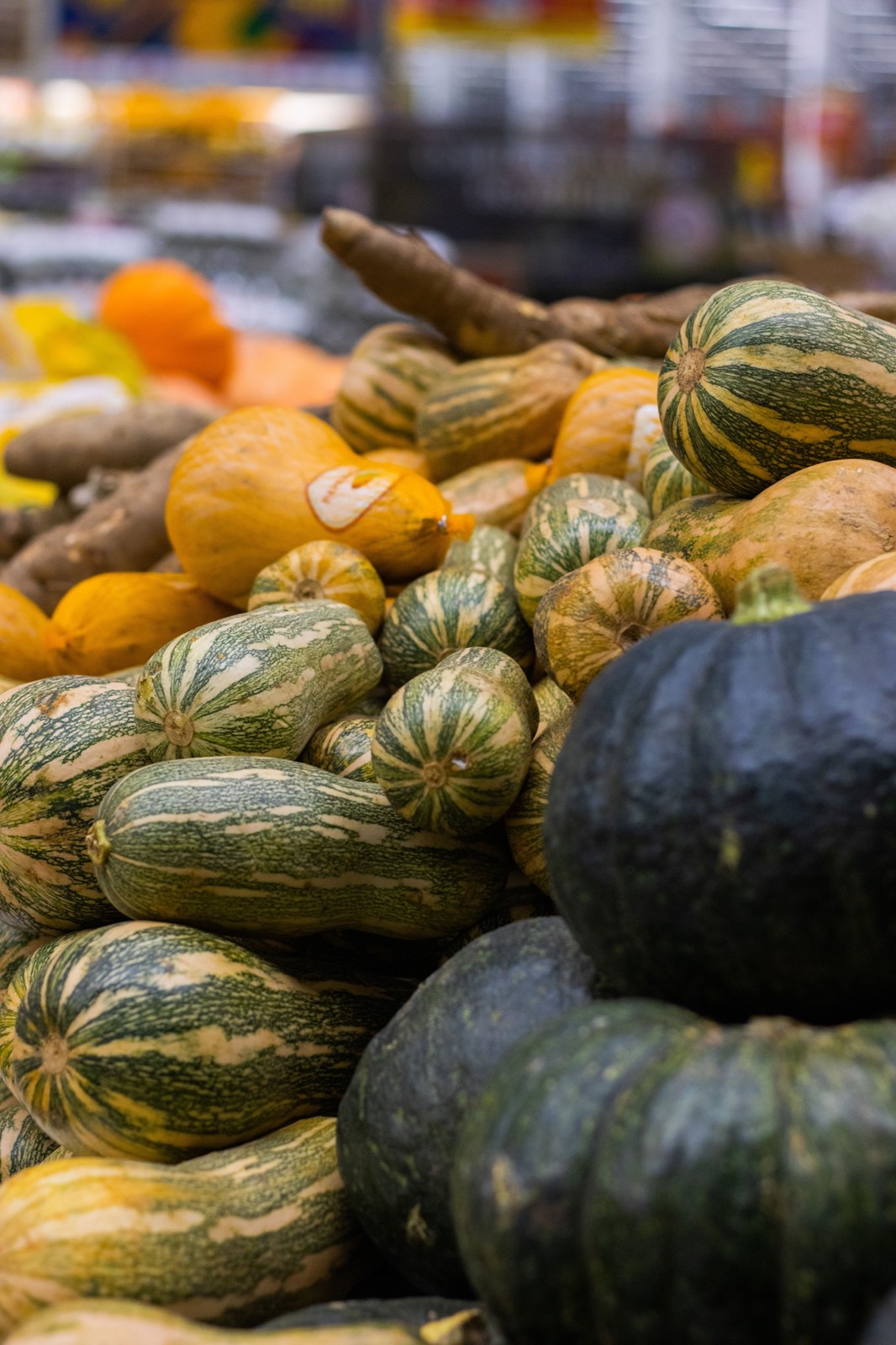
Grow both summer squash (zucchini, yellow crookneck — picked young, eaten fresh) and winter squash (butternut, acorn — cured and stored). North Texas gives two windows: a spring crop sown after Apr 1 and a fall crop sown Jul–Aug. The mid-summer heat and bug pressure often wreck the spring planting, so the fall crop is your insurance.
Squash resents transplanting — direct-seed into warm soil. Sow bush summer types ~24" apart, vining winter types ~3–4' apart with room to run. The key tactic here is succession sowing: a short new planting every 2–3 weeks so when borers or squash bugs kill a plant, a young replacement is already producing.
| Month | What |
|---|---|
| Apr (after ~Apr 1 frost) | Direct-seed spring crop into warm soil. |
| Apr–Jun | Succession-sow every 2–3 wks; scout for bugs daily. |
| May–Jun | Spring harvest of summer squash. |
| Jul–Aug | Sow fall crop (start winter squash early enough to mature). |
| Sep–Oct | Fall harvest; let winter squash fully ripen on the vine. |
| Oct–mid-Nov | Cut winter squash before the first frost; cure. |
Squash bugs (gray shield bugs; crush the bronze egg clusters on leaf undersides) and squash vine borers (larvae tunnel the stem base, collapsing the whole plant) are the season-long fight here. Scout daily, destroy eggs, and succession-sow to stay ahead. Also watch powdery mildew and cucumber beetles spreading bacterial wilt.
In peak heat, plants may set only male flowers or drop fruit, and bee activity dips so blossoms go unpollinated. Keep them watered and mulched; the cooler fall window often gives a cleaner, less bug-ridden crop than spring.
| Stage | Do this |
|---|---|
| Summer squash | Pick young (6–8" zucchini) every 1–2 days — they balloon overnight. |
| Winter squash | Leave on the vine until the rind is hard and dull; cut with a stub of stem. |
| Curing | Cure winter squash warm ~1–2 weeks, then store cool and dry for months. |