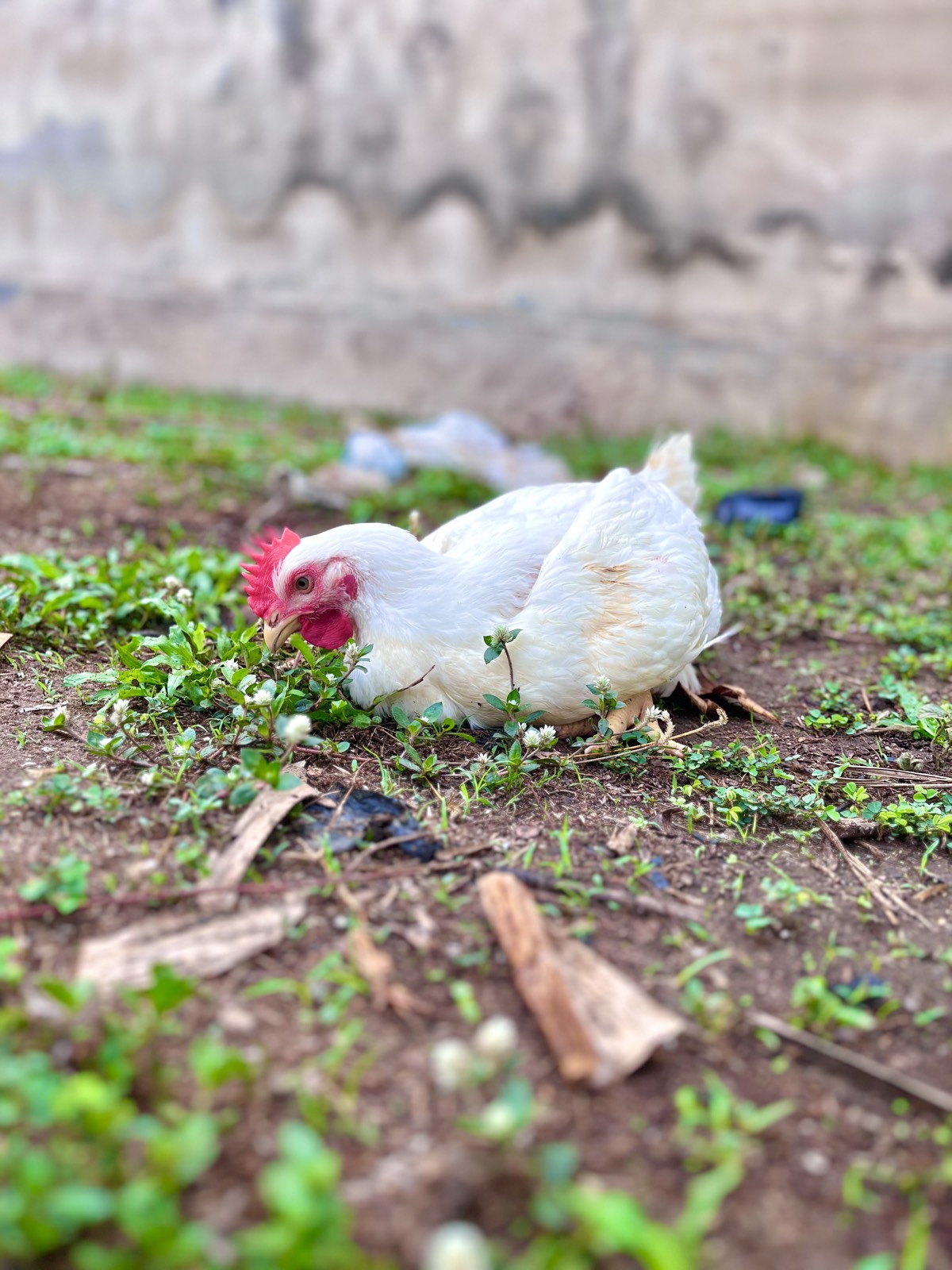
First ~3 weeks in a brooder — a warm, draft-free box with a heat lamp/plate, dry bedding, and free-choice feed and water. Once feathered, move them out to a floorless chicken tractor on pasture. Move the tractor daily (twice a day near the end) onto fresh grass — they grow fast and foul ground quickly.
Start chicks so the 8-week grow-out lands in the mild shoulder seasons: a spring batch ready by late May, a fall batch ready by November. Heavy heat-stressed Cornish-cross can die in 100°F afternoons, so a summer batch is a mistake here. Always give shade cloth on the tractor and plenty of cool water.
| When | What |
|---|---|
| Early spring | Order chicks; set up the brooder before they arrive. Weeks 1–3 indoors under heat. |
| Spring weeks 4–8 | On pasture in the tractor, moved daily. Process at ~8 weeks before summer heat. |
| Summer | No birds on the ground — too hot for Cornish-cross. Rest and clean equipment. |
| Early fall | Second batch into the brooder as the worst heat breaks. |
| Fall weeks 4–8 | On pasture; process at ~8 weeks. Freezer restocked before winter. |
Cornish-cross grow so fast they can suffer leg and heart problems and die in heat. Pull feed for ~12 hours overnight (don't free-feed 24/7), keep water cold, and provide shade. Don't push them past 9 weeks — they get too heavy. Brooder dampness causes chilling and losses, so keep bedding dry.
A floorless tractor is vulnerable to diggers and reach-ins — use a secure, well-built tractor and consider a hot wire around it for coyotes/bobcats. Keep the brooder rodent-proof, source chicks from a reputable hatchery (NPIP), and keep them separated from the laying flock for biosecurity against avian influenza.
| Item | Cost |
|---|---|
| Day-old Cornish-cross chicks | $2–4 ea |
| Feed (~12–15 lb/bird to finish) | $8–12/bird |
| Brooder + heat plate (one-time) | $100–250 |
| Chicken tractor (DIY) | $150–400 |
| Home processing — poultry exempt | your labor |