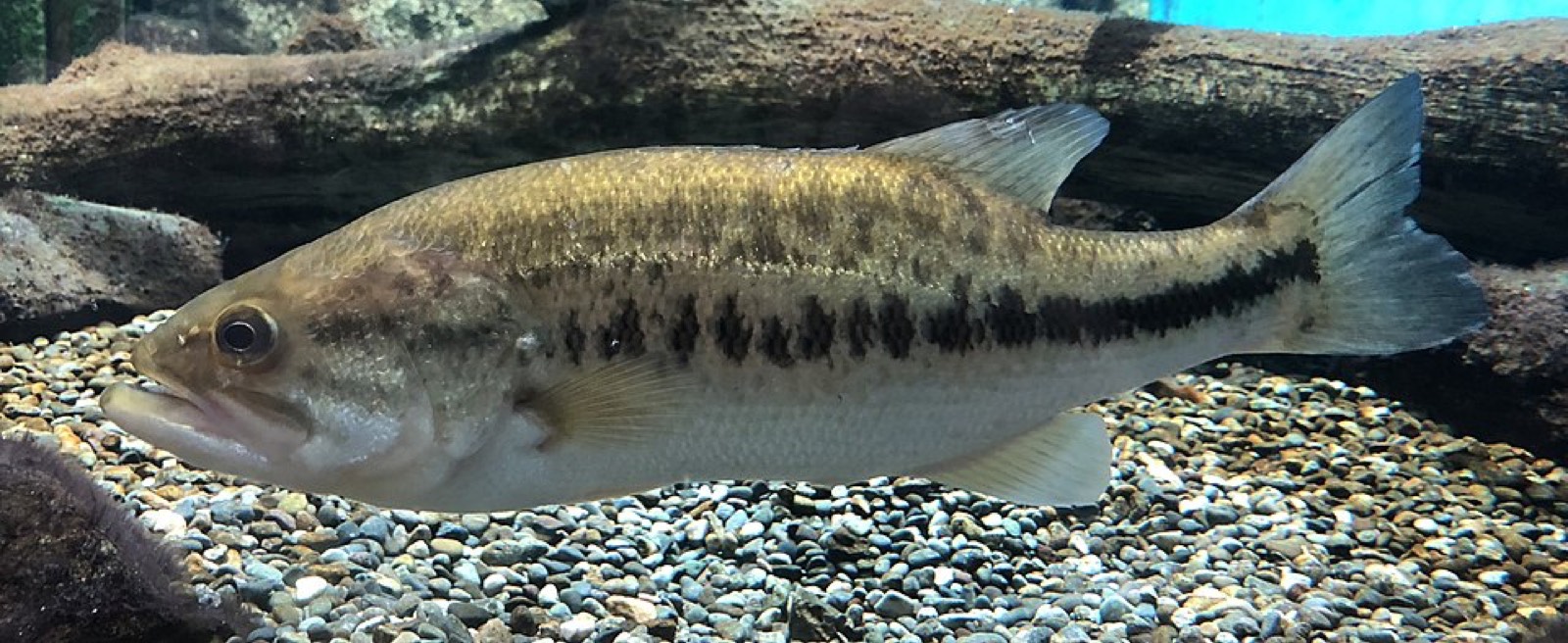
Forage first. Stock bluegill (and fathead minnows) in the fall and let them spawn and build a population over winter and spring. Add the largemouth bass the following spring/summer once there's food for them. Drop the channel catfish in any time — they fill a different niche and grow fast for eating. Stocking bass first wipes out the forage and the pond never balances.
Summer heat warms shallow water and drops oxygen — the most common cause of fish kills here. A pond aerator or fountain is cheap insurance, especially for catfish. Aim for some water 8+ ft deep so fish can find cool, oxygenated refuge. Watch for muddy water and pond-weed; lime/fertilize only on a test if production is low.
| When | What |
|---|---|
| Year 1 — fall | Stock bluegill + fathead minnows. Let the forage base establish over winter. |
| Year 2 — spring | Add largemouth bass and channel catfish. Bluegill spawn and feed them. |
| Summer | Run aeration; watch oxygen in heat. Catfish can be caught for eating this first summer. |
| Year 2–3 | Bass reach keeper size. Harvest bluegill and small bass to keep the pond from going lopsided. |
| Ongoing | Restock catfish as you eat them; keep good fishing records; fish the dock year-round. |
Summer fish kills from low oxygen are the big risk in Texas heat — run an aerator, keep some deep water, and don't overstock. Avoid runoff of fertilizer or manure into the pond, which fuels algae blooms that crash oxygen overnight. Cloudy/muddy water hurts bass feeding.
The classic failure is an unbalanced pond — too many stunted bluegill or bass. The fix is active harvest: pull out bluegill and small bass regularly. Don't dump in random bait or wild fish (crappie, green sunfish, carp) — they unbalance everything. Otters, herons and turtles take a few fish; healthy stock numbers absorb the loss.
| Item | Cost |
|---|---|
| Bluegill + minnows (per acre) | $150–250 |
| Largemouth bass (per acre) | $80–150 |
| Channel catfish (per acre) | $100–200 |
| Pond aerator + power | $400–1,200 |
| Simple fishing dock (DIY) | $300–1,000 |